
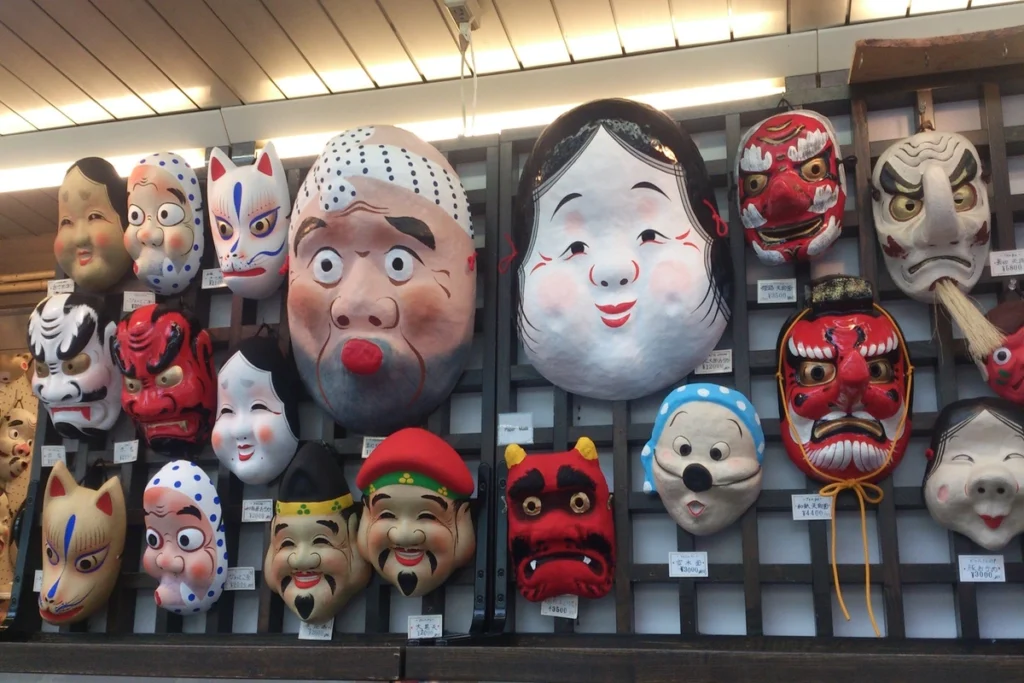
If you think you have seen all that modern life can offer, these weird Japan facts enough to change your mind. Japan keeps attracting global travellers, not only because of cherry blossoms, anime, or bullet trains, but also because their day to day life which often seems futuristic, yet it is strongly tied to tradition. And sometimes it feels surprisingly pleasant and strange too.
More and more tourists keep showing up in Japan to get experience of its distinctive culture. Official tourism authorities also keep pushing Japan’s mixture of tradition and innovation as one of the biggest attractions.
What makes Japan endlessly fascinating is that even ordinary routines can feel unusual and slightly unreal.
Take fruit, for example. Square watermelons remain one of Japan’s most talked-about curiosities. Originally developed as a clever space-saving concept, these cube-shaped melons are now mostly decorative luxury items rather than something people casually slice for dessert.
Also Check | Japanese Habits That Feel Strange to Foreigners
Then there is the country’s obsession with creative food experiences. Japan has long taken ordinary snacks and made them kind of, well conversation starters. KitKat flavors in Japan have included matcha, sweet potato and also regional limited editions that tourists actively hunt down. Even ice cream gets equally adventurous, it can run from mildly surprising to, honestly, absolutely unbelievable.
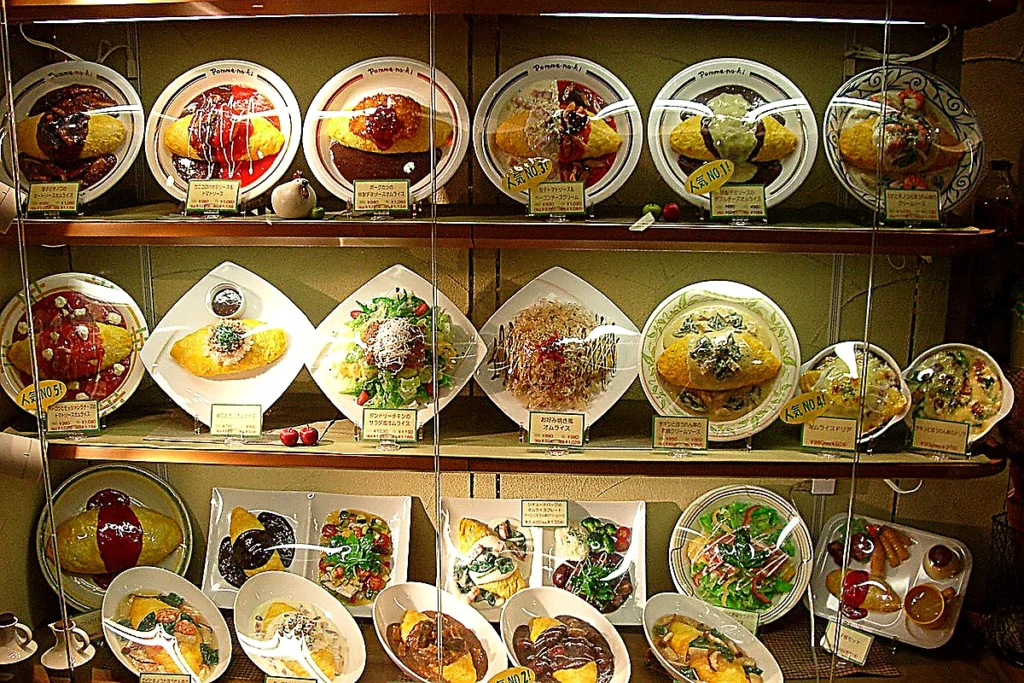
Food presentation is another spot where Japan refuses to be normal. Walk past restaurant windows and you might think the meals are real, only to notice you’re staring at super detailed plastic replicas. These hyper-realistic displays are part of a long-running visual marketing tradition, it helps customers understand exactly what they are ordering.
Japan’s relationship with convenience might be unmatched anywhere in the world. Vending machines are everywhere, though older viral claims about exact nationwide counts often vary depending on source and year. What remains true is that these machines are deeply embedded in daily life, offering everything from drinks to quick meals.
Transportation culture tells an equally fascinating story.
Japan’s train punctuality is kind of legendary. In fact railway operators like JR East officially provide delay certificates for passengers who get affected by service disruptions, and it honestly feels a bit unbelievable when you think of countries where lateness is basically routine.
Rush hour in major cities like Tokyo can still be intense enough to require station staff helping passengers board packed trains. While the famous image of “people pushers” is less dramatic than older stereotypes suggest, crowd management remains a real part of urban commuting.
Then there are the traffic lights.
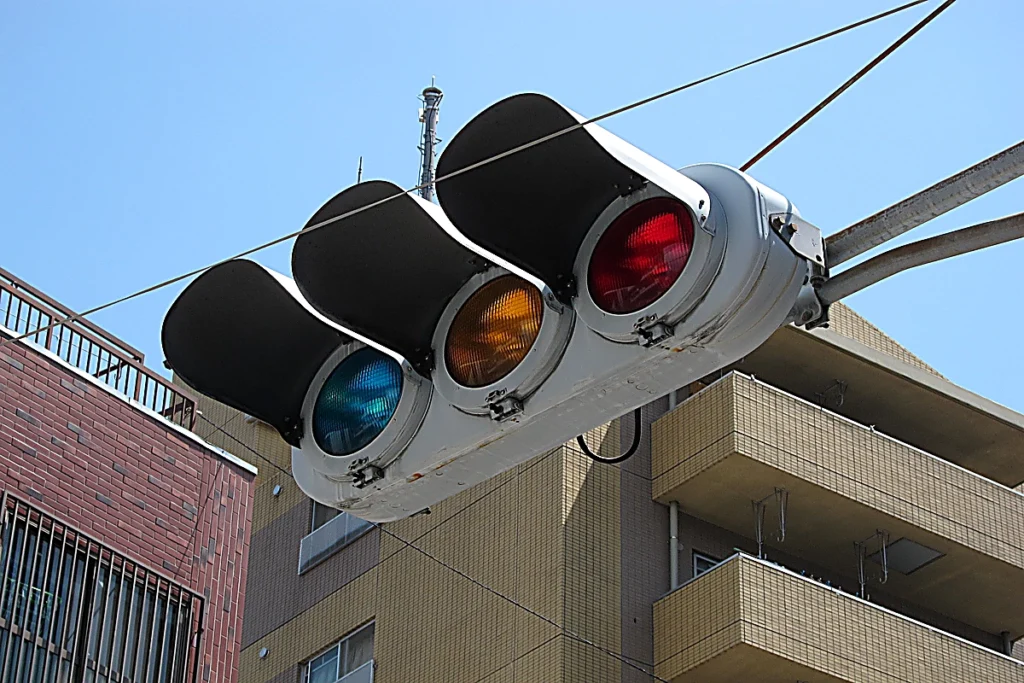
One of the most frequently discussed weird Japan facts involves the so-called blue traffic light. Technically, modern traffic signals are green, but linguistic history plays a role here. The traditional Japanese language categorises blue and green differently from modern English, which explains why many people still refer to green signals as blue.
Japan’s commitment to cleanliness also surprises visitors.
In many schools, children take part in cleaning classrooms hallways, and other common areas like it’s a normal daily thing. The idea isn’t simply about lowering staff expenses. It’s more about teaching responsibility, discipline, and also respect for shared environments.
That same practical thinking appears in Japanese bathrooms.
High-tech toilets have become globally famous for good reason. Heated seats, bidet functions, privacy sounds, and customizable settings can make a first visit feel like operating futuristic machinery.
Also Check | Japan’s Bullet Train Revolution
Some homes and public spaces take efficiency even further with sinks built above toilet tanks, allowing hand washing water to be reused for flushing. It is a simple but smart water-saving design.
Japan’s hospitality culture also loves experimentation.
Robot-run hotels got global headlines when they first rolled out, mainly the well known Henn na Hotel idea. Automation is still there in the overall experience, but over time reports suggest that fully robotic hospitality has practical boundaries and so many places moved toward a more balanced human-robot rhythm, instead of going all in.
Japan also invents unusual ways to reduce social awkwardness.
Dining solo can feel a bit stiff in some cultures, yet themed cafés have handled it with clever tricks: by offering hand lone guests oversized plush companions. It sounds odd at first, until you notice it actually builds a surprisingly soothing vibe.
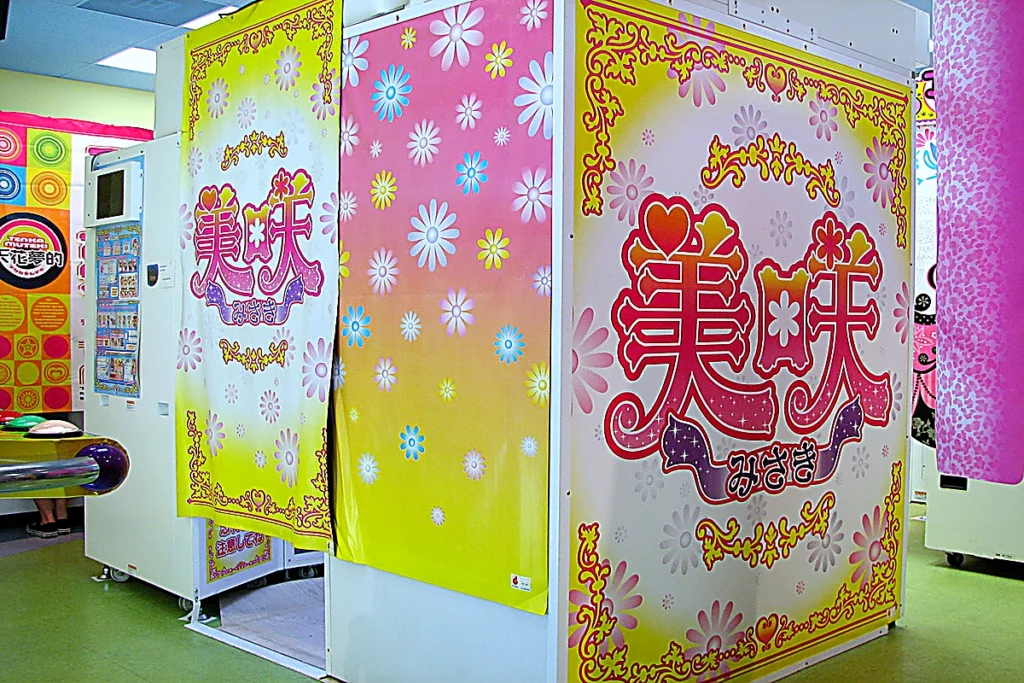
Photo taking also gets a local twist through purikura booths, where normal shots turn into playful, heavily customized keepsakes filled with filters, stickers, and decorative adjustments.
Even karaoke has changed.
For shy singers or apartment dwellers, silent karaoke devices let people sing privately without disturbing neighbors. It feels like a distinctly Japanese answer to a very specific modern problem.
Another really fascinating aspect of work culture is inemuri, the habit of taking a brief nap in public or sometimes even right at work. Although this is often, kind of oversimplified internationally, the bigger cultural idea ties visible tiredness to commitment and sincere effort.
And yeah, tourist attractions can be just as surreal.
Take Okunoshima, which is widely known as Rabbit Island. It keeps pulling in curious visitors, mostly because of its big rabbit population and this unusual slice of history.
Then there’s Nagoro, usually known as Japan’s doll village. It still feels like one of the country’s most hauntingly fascinating places. Life-sized dolls are scattered around the whole village, and it makes this eerie vibe, but also a kind of oddly moving tribute to population decline in rural areas.
Then there is Godzilla.
Also Check | What Our Ancestors Really Ate Will Surprise You
In one of the most delightfully bizarre examples of pop culture pride, Tokyo embraced Godzilla as an official tourism symbol, reinforcing how seriously Japan celebrates fictional icons.
Japan’s spa culture also embraces creativity.
Themed bathing experiences featuring unusual concepts have become famous among international travelers, though many are designed more as novelty attractions than serious wellness treatments.
And yes, some cultural habits still surprise tourist from other countries.
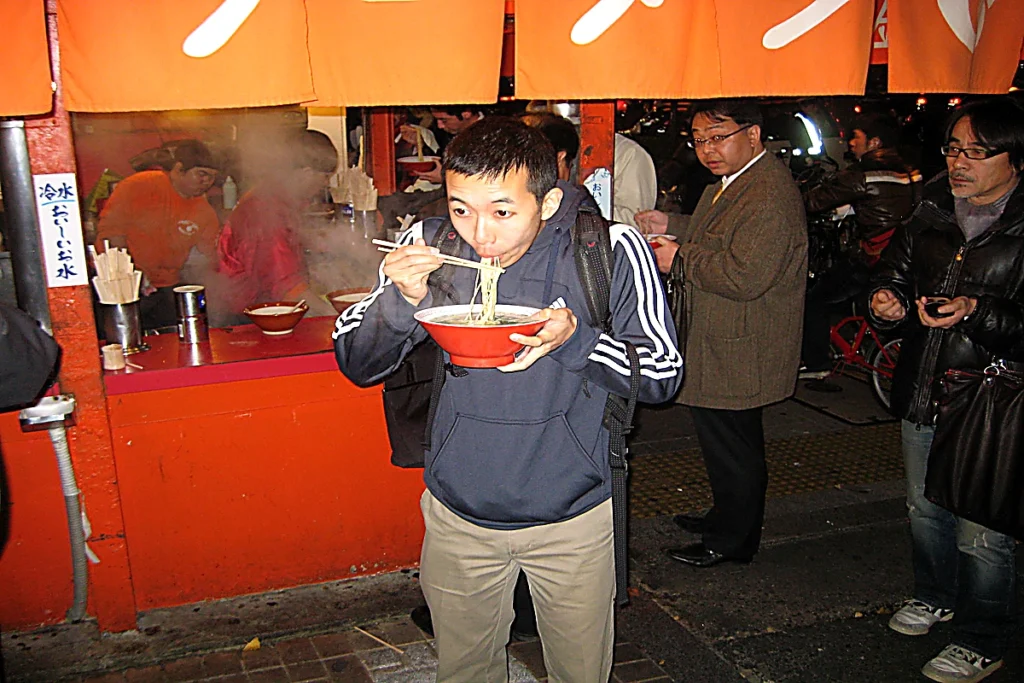
Slurping noodles loudly might seem mannerless in other places, but in Japan it’s treated as normal, especially in casual dining places where people are just come to eating and chatting.
Space efficiency might be where Japan truly shines.
Dense cities have inspired remarkable engineering ideas, from tightly packed parking systems to tiny escalators and the clever ways people organize city infrastructure.
Maybe the most eye catching part about Japan is that lots of these things aren’t made to surprise tourists. They are there because Japanese society often focuses on efficiency, courtesy, practicality, and thoughtful problem-solving in ways that naturally create unusual outcomes.
That may be why Japan never stops fascinating people.
Also Check | The Baboon Soldier Who Went to War and Became a World War I Hero
Some countries innovate in technology. Others preserve culture, but Japan somehow manages to do both at the same time.
For travelers chasing experiences that genuinely feel different, weird Japan facts are not just internet curiosities.
They are often real glimpses into a society that continues to surprise the world.

A passionate blogger, content writer, and digital explorer, specialize in writing engaging, and value-driven articles across diverse niches.