
How Vietnam War weapons changed combat forever
The Vietnam War weapons created a style of fighting that felt different, like nothing the modern world had seen before. This Vietnam conflict wasn’t just a normal clash between armies, rifles and bombs. It turned into a harsh standoff of improvisation, staying alive, misdirection, and that kind of psychological warfare that messes with minds. In more recent history talks, especially around the fiftieth anniversary reflections on the war, people again pointed out how both sides leaned on unusual tactics that still surprise military historians today. What we have on tunnel warfare and the long aftereffect of Agent Orange keeps setting the frame for how the whole war is understood decades later.
The battlefield in Vietnam was not a neat open plain. It was thick jungle, muddy farmland, hidden villages, and endless uncertainty. That environment forced both the Viet Cong and American forces to think differently. The result was a collection of bizarre, terrifying, and surprisingly effective weapons.
Vietnam War weapons used by the Viet Cong
The Viet Cong didn’t really get to enjoy the industrial muscle of the United States military. Improvisation became one of their biggest strengths. Even though Soviet supplied AK forty seven rifles and SKS carbines gave communist fighters dependable firepower, a lot of insurgents also made crude homemade guns from whatever they could salvage, like metal scraps, pipes, parts of broken machinery and leftover ammunition pieces.
Those rough weapons weren’t elegant. Some of them could barely survive a few shots. But for guerrilla fighters, it didn’t have to be perfect, it just had to work long enough to injure an enemy and then grab a better weapon.
Even more frightening were the traps.
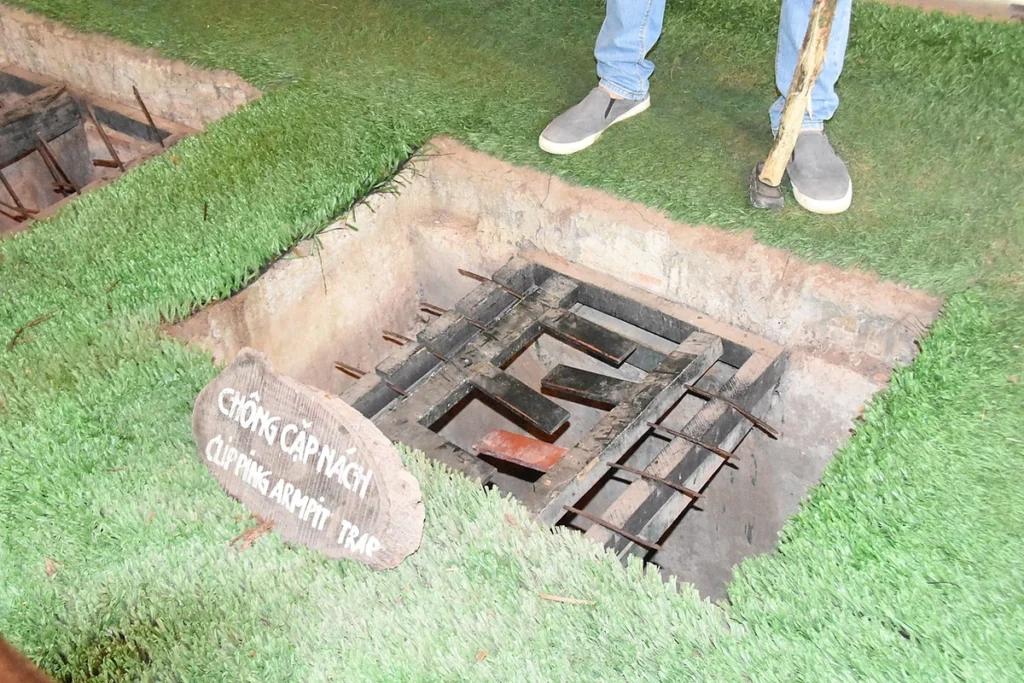
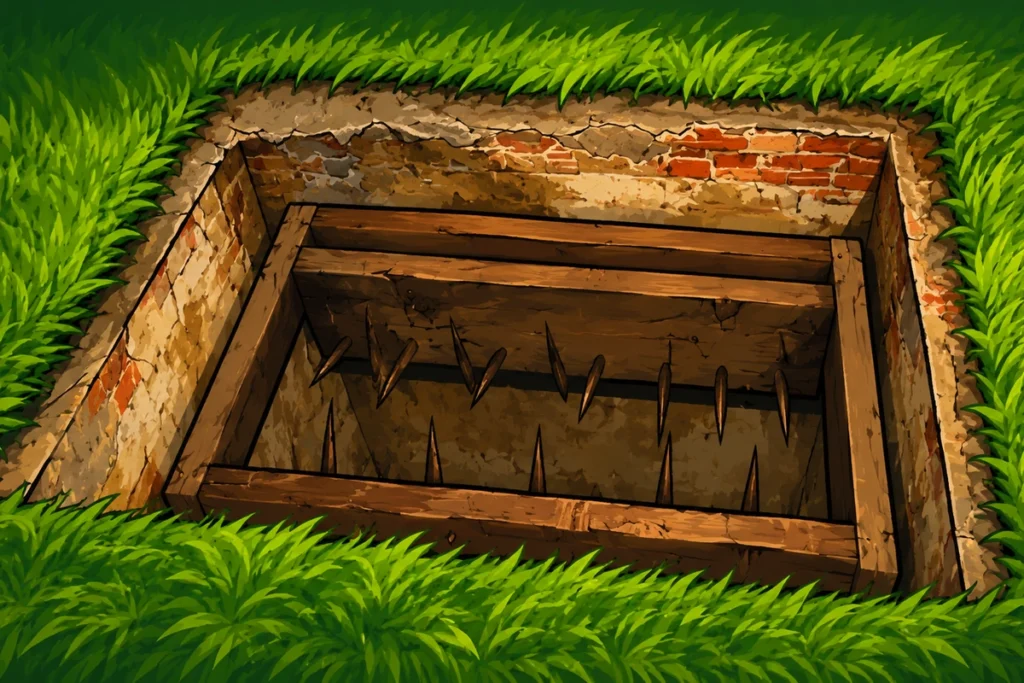
Punji stick pits became one of the most feared threats faced by American troops. These hidden holes were lined with sharpened bamboo spikes, and they were often tucked under leaves and jungle debris. The intention wasn’t always instant death, either. Sometimes a soldier got badly injured and that slowed down the whole unit, it created chaos and it forced rescue efforts under dangerous conditions.
Some traps were made even nastier by contamination. Historical accounts describe spikes coated with waste or toxic material to increase the risk of infection. It was cruel, primitive, and disturbingly effective.
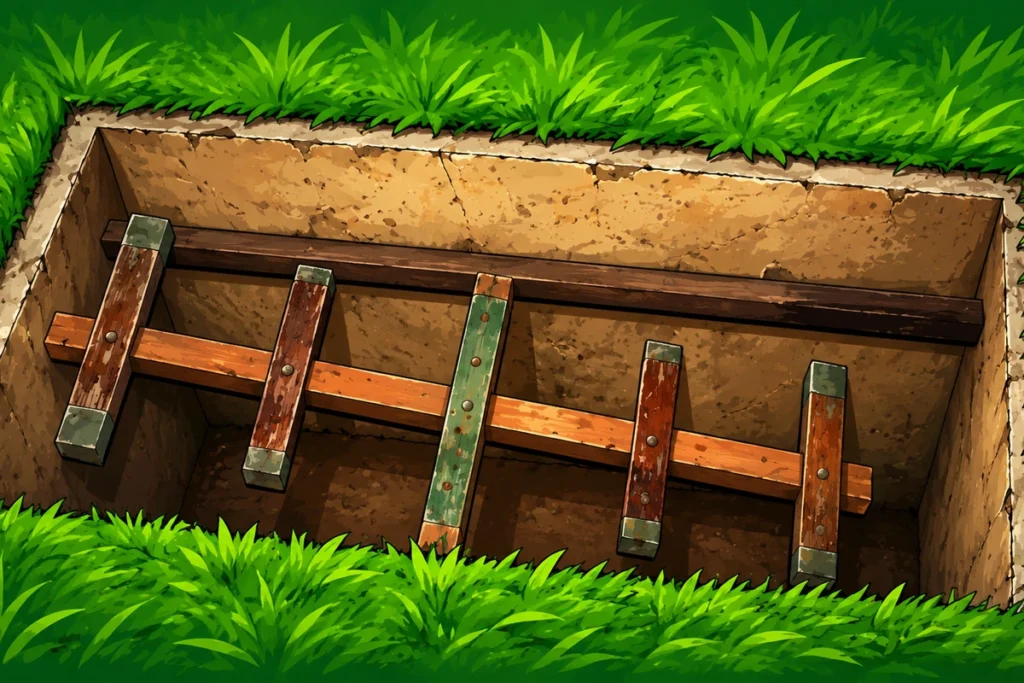
Then came swinging traps. Heavy spiked maces hidden in trees could be triggered by tripwires. Flexible bamboo traps snapped back with deadly force. Weighted spike boards dropped from above without warning.
The jungle itself became a weapon.
Also Check | The Impossible Story of How Venice Was Built Over Water
The terrifying tunnel war
One of the most remarkable parts of the Vietnam conflict was underground combat.
The Viet Cong built extensive tunnel networks beneath villages and jungle regions. These passageways served as living quarters, weapon storage, escape routes, communication hubs, and ambush points. Some tunnel systems stretched for miles.
American troops found this deeply frustrating. A firefight could end with enemy fighters seemingly vanishing into the earth.
This challenge led to the creation of tunnel rats, specially-trained soldiers who went into cramped underground spaces with not much more than pistols, and flashlights. The danger was extreme. There were traps, hidden explosives, poisonous creatures, and enemy fighters that could be waiting only inches away in total darkness.
Stories from veterans still talk about these missions as among the most psychologically terrifying assignments of the war.
Snakes as battlefield tools
Yes, actual snakes.
Accounts from the conflict describe venomous snakes being used inside tunnels and trap zones. Whether tied near likely patrol routes or placed in confined spaces, these reptiles became unpredictable biological threats.
Even if some battlefield stories have grown through retelling, the psychological impact alone mattered. Jungle warfare already pushed soldiers to constant anxiety. The fear of stepping into a trap or finding a venomous snake inches from your face amplified that stress dramatically.
Sometimes warfare is as much about fear as firepower.
American secret weapons and strange experiments
The United States military answered guerrilla tactics with its own unusual inventions.
One covert effort involved sabotaged enemy ammunition. Intelligence teams reportedly modified captured rounds so that when fired, the weapon could explode in the user’s hands. The strategy aimed less at body count and more at creating distrust in enemy supply chains.
Then there were so called people sniffers.
These devices detected chemical traces associated with human presence, particularly ammonia compounds linked to sweat and waste. Mounted on helicopters or carried by troops, they were meant to expose hidden fighters in jungle cover.
Also Check | This Baboon Went to World War I and His Bravery Left Soldiers Speechless
The flaw was obvious. American soldiers also sweat.
The devices were noisy, awkward, and far from perfect. The Viet Cong adapted quickly, reportedly using urine to confuse detection systems.
That strange battle of technology versus improvisation perfectly captures the absurd reality of the war.
The deadly sky above Vietnam
American air power brought an entirely different level of destruction.
The B fifty two Stratofortress became one of the most feared aircraft of the war. Flying at high altitude, these bombers delivered devastating payloads across enemy territory. Ground troops often heard the destruction only after bombs began falling.
Cluster munitions added another horrifying layer. Designed to spread smaller explosives over wide areas, they created immediate destruction while leaving unexploded remnants behind. In places like Laos, the danger from these leftovers continued long after the war ended.
Incendiary weapons like napalm became global symbols of the conflict’s brutality. The thick burning substance caused catastrophic injuries and sparked international outrage.
These were not merely battlefield tools. They became political symbols of the war itself.
Agent Orange and the longest shadow of the war
Among all Vietnam War weapons, none really left a more long lasting controversy than Agent Orange.
It was originally used to strip jungle cover, and also to ruin food crops, the herbicide campaign called Operation Ranch Hand sort of exposed massive parts of Vietnam to toxic chemicals.
Later evidence tied dioxin contamination to serious health consequences such as cancer, birth defects and long term illness—this was felt by Vietnamese civilians and veterans.
What started out as a tactical military program turned into a kind of humanitarian and environmental tragedy that still shapes conversations today.
Unlike rifles or bombs, the damage from this particular “weapon” did not end when the fighting stopped.
Also Check | What Our Ancestors Really Ate Might Shock Modern Food Lovers
Why these weapons still fascinate historians
The Vietnam War forced both sides into unconventional thinking.
The Viet Cong relied on ingenuity, camouflage, and intimate knowledge of terrain. The United States leaned into technology, overwhelming air power, and experimental warfare concepts.
Some ideas were brutally effective. Others seem bizarre in hindsight.
Exploding lighters, disguised sensors, sweat detectors, improvised jungle traps, underground labyrinths, and chemical warfare all sound like fiction. Yet they reflect the strange reality of a war where traditional military logic often failed.
That is why interest in Vietnam War weapons remains strong today.
They were not just tools of combat.
They were symbols of desperation, adaptation, fear, and the extreme lengths humans will go to when survival becomes the only objective.