
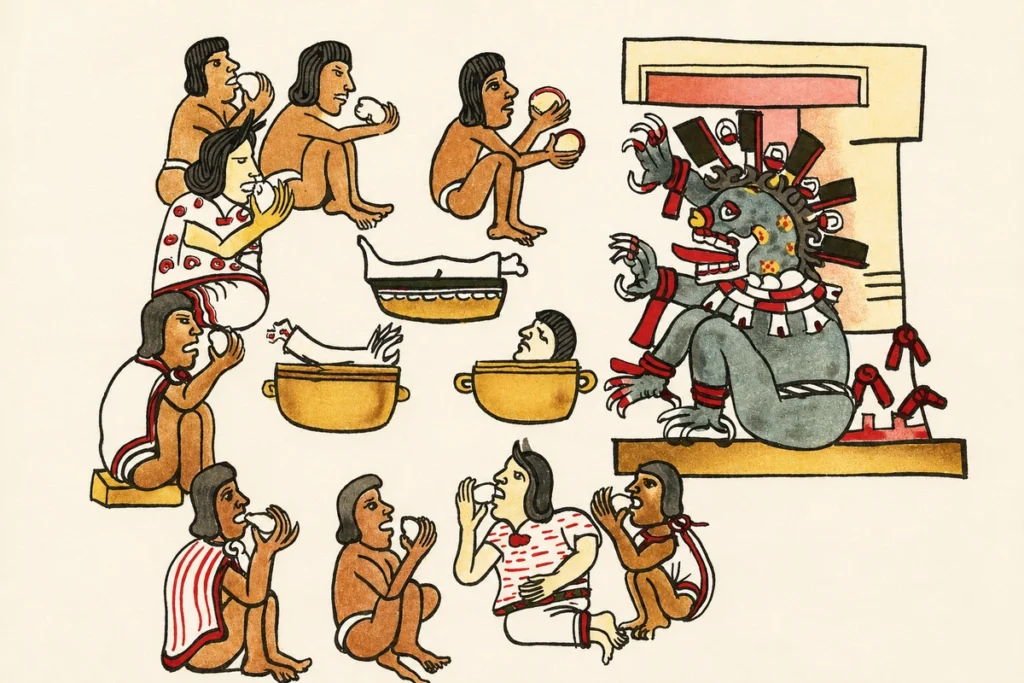
Human Cannibalism History Is More Complex Than Most People Think
Human cannibalism history is usually painted as pretty dark and disturbing subject with myths, fear, and sensational stories. For centuries, the idea that people ate human flesh has been used to shock audiences and also to show whole communities as savage or uncivilised. But when you look closely at historical records and modern research, the whole story starts to look a lot more different and even complicated.
It’s not belonging to the single culture, or time period. Cannibalistic behavior showed up in different corners of the world, for a bunch of different reasons. In some places it was tied to survival during extreme shortages or terrible hardships. In other cases it connected to religious ideas, funeral customs, family devotion, and even medicine. Still, to understand the past you have to separate fact from fiction, and study the cultural contexts where these actions took place.
How the Word Cannibal Entered History
A lot of the most influential stories about cannibalism came up during the period of European exploration. Like, when Christopher Columbus reached the Caribbean near the end of the fifteenth century, he reported hearing stories about a certain group known as the Caribs. In those reports the Caribs were described as attacking nearby communities, and then consuming prisoners.
Still, historians keep arguing about how true any of this really is. A bunch of the early accounts seem to lean on rumors, misunderstandings, and political motives more than on actual observation. And as European colonization expanded, accusations of cannibalism turned into a convenient tool used to justify conquest, forced labor, and even enslavement.
Later on, the variations of the word Carib ended up evolving into the term “cannibal.” Then the word eventually became a general label for anyone who was accused of eating human flesh, no matter the cultural background or the specific historical situation.
Also Check | Prehistoric Human Diet: What Our Ancestors Really Ate
When Human Flesh Was Sold as Medicine in Europe
One of the most surprising chapters in Human Cannibalism History comes not from remote tribes or survival stories but from Europe itself.
Beginning in the fifteenth century, a medical substance known as mumia became highly sought after. Mumia was made from powdered remains of mummified human bodies and was believed to cure a wide range of illnesses. Physicians and healers prescribed it for epilepsy, bruises, bleeding, stomach problems, and many other conditions.
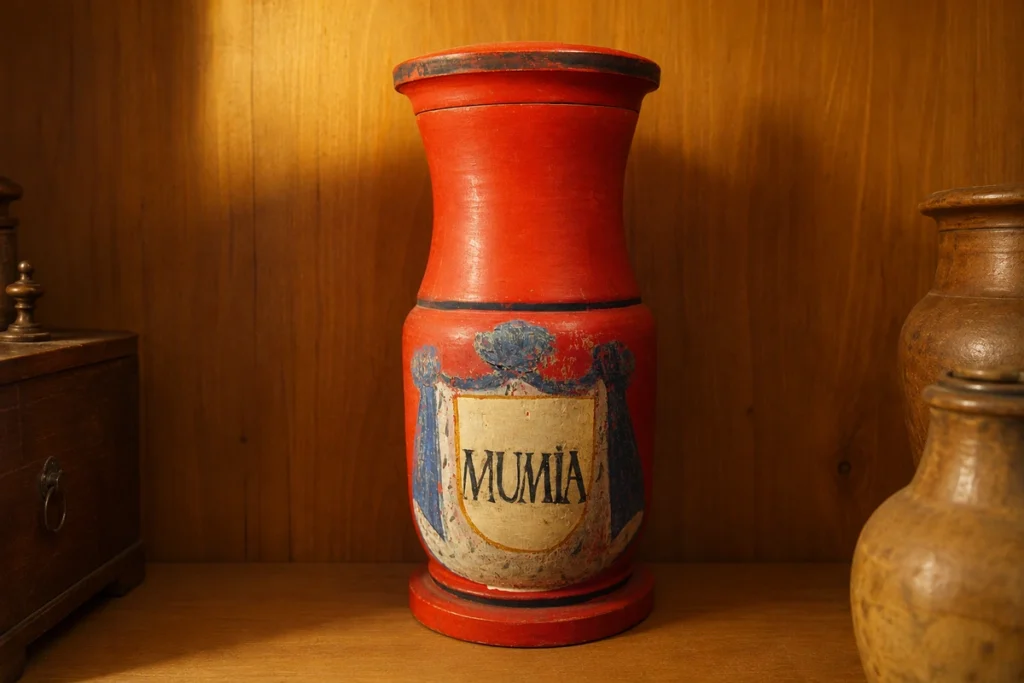
Initially, traders imported ancient Egyptian mummies to meet growing demand. As interest increased, supplies became scarce. This shortage created opportunities for grave robbers and dishonest merchants who began using more recent human remains from European cemeteries.
The popularity of mumia lasted for centuries. Historical medical references show that mummy-based remedies continued appearing in medical literature long after scientific medicine began replacing traditional treatments.
The Strange World of Medical Cannibalism
Mumia was just one example, of medical practices that somehow involved human remains.
If you look at historical records, blood taken from executed criminals was sometimes consumed as a way to treat epilepsy. In other situations, powdered bones, human fat, liver tissue, and even distilled oils made from human remains were included in remedies that physicians and apothecaries promoted.
To modern readers this might feel shocking, but at the time a lot of people honestly thought that eating pieces of the human body could shift vitality, strength, or even healing properties. The medical theories of that era were different from modern science, so these treatments could end up getting broad acceptance.
More recent historical studies has pointed out how frequent these practices once were, and this has pushed back on the popular assumption that cannibalism only happened in far off places or among isolated societies.
Also Check | Vietnam War Weapons: The Clever Tactics That Terrified Enemy Soldiers
Family Sacrifice and Filial Devotion in Ancient China
Historical records from China contain references to another form of culturally accepted cannibalism that developed under very different circumstances.
It was called filial cannibalism, the idea was that grown children would offer a small piece of their own flesh to a parent who was seriously sick. This was framed as devotion and respect, not as some way to injure anyone.
In many cases, the flesh was taken from the thigh and then treated like a medicinal ingredient, part of a remedy process. In a way, it was less about the body itself and more about cultural values that emphasized honoring parents, and showing personal sacrifice for the family members.
Even though those customs were never practiced all parts of China, they still show up often enough in old records to show that they were known and understood within particular communities during certain periods.
Funeral Rituals That Honored the Dead
Another important aspect of Human Cannibalism History is connected to funerary customs, those last rituals around death.
Among the Fore people in Papua New Guinea, eating the remains of deceased relatives was once seen as an act of respect, and love. Instead of leaving the body, or just burying it, the family members thought that consuming it would keep an connection with the deceased and it would somehow honor their memory as well.
From the outside it might sound harsh, but these ceremonies were not meant as hostility or violence. It was more like part of a wider cultural framework for how life, death, and community were supposed to fit together.
Later, scientists found that these behaviors, even though they were not intended that way, ended up spreading a deadly brain illness called kuru. Research done in the twentieth century linked the cause to infectious proteins, called prions. When people became more aware of the health danger, the practice gradually disappeared.
In the end, the investigation of kuru turned into a real breakthrough in medicine. It helped deepen understanding of neurological diseases worldwide, and also changed how researchers think about certain fatal conditions.
Survival Cannibalism During Extreme Conditions
Not every case of cannibalism comes out of long standing cultural traditions, or medical beliefs, or whatever label people try to put on it.
There are a lot of accounts in history about survival cannibalism during famines, shipwrecks, military sieges, and expeditions that just never worked. In those moments, people were basically forced into impossible decisions, when the food ran out, and death by starvation was getting closer every day.
Most researchers make a distinction between survival cannibalism and culturally accepted variants, mainly because it shows up in extraordinary conditions rather than becoming some sort of usual social ritual.
There are well documented cases across multiple centuries, and they show that in extreme stress, survival instincts can lead individuals and groups toward actions that normally feel unthinkable. These events continue to fascinate historians, because they reveal what humans do when desperation turns absolute.
Also Check | Mistakes That Turned Into the World’s Greatest Inventions
Why Cannibalism Remains a Fascinating Historical Topic
The constant fascination with cannibalism comes in part from how it messes with our assumptions about civilization, morality, and culture. Stories involving human flesh consumption usually trigger pretty sharp emotional responses, making them powerful tools for storytelling and propaganda.
Even so, modern historians keep finding clues that a lot of the “classic” records were overstated or warped. Claims of cannibalism were often used as a weapon, to make enemies look evil, to help rationalize colonization, or simply to create fear toward communities that felt unfamiliar.
So, when people study cannibalism, it needs careful analysis of historical records, archaeology evidence, and the cultural context.
Understanding the Real Story Behind Human Cannibalism History
Human Cannibalism History is not just a story with single explanation, it’s more like a mix of practices that showed up in different societies for different reasons. Some groups consumed human remains as a kind of medicine. Others did it for funeral traditions, family devotion, or because they were stuck in desperate survival situations .
What makes this whole topic so intriguing is that it shows how cultural beliefs shape human behavior. It also feels like a reminder that history is often messier than the stories people pass along from one generation to the next.
If you look past myths and stereotypes, researchers keep uncovering a deeper understanding of how communities thought about the human body, death, healing, and survival over time. The outcome is a fascinating chapter of human civilization that stays both unsettling, and oddly informative.