
Analog Tech Is Making a Surprising Comeback
For years, the technology sector has been focused on a simple vision of selling faster phones, smarter apps, quick entertainment, and endless connectivity. Everything was supposed to become easier. But something a bit unexpected is happening. Gen Z digital detox is becoming more than a buzz. It is slowly changing into a cultural shift.
The people who grew up with smartphones are now stepping back from the same technology that shaped their teenage. Many young adults who once couldn’t stay away from social media are now picking up old devices that feel almost vintage. But they still want to remain informed.
And, no, this is not about rejecting the technology completely. It’s more like trying to take back control, piece by piece.
As per statista data, the global smartphone market kept growing through 2024, while feature phones still hold up in a surprisingly sturdy way in several regions, especially India, Africa, and parts of the Middle East. At the same time, vinyl music sales keep climbing, and the recording industry is celebrating another strong year for physical music formats.
Gen Z Digital Detox Is Turning Old Tech Into New Lifestyle Choices
Back then, getting a new smartphone felt like true momentum, like you were pushing forward for real. But now, a lot of young users seem to just notice constant pings, endless scrolling, and those algorithm-steered feeds, as if it’s kinda draining, not really uplifting.
Digital fatigue is real, and it shows. Scrolling became this second-nature thing, but a lot of Gen Z folks are now asking what it actually costs them. Better sleep, more solid focus, lower anxiety, and more genuine social moments are starting to matter more than likes and perfect updates.
So yeah, that might explain why old school gadgets are suddenly kind of cool again. Flip phones aren’t only nostalgic props from those old teen dramas. They’re turning into deliberate lifestyle tools. The appeal is almost simple. A feature phone lets you call and text without pulling you into a whirlpool of social media, news alerts, and those addictive apps.
For many young people, that boundary is exactly the point.
The smartphone was built to keep your attention chained to it. But the flip phone gives you room to breathe, and it feels like an escape.
Also Check | This Bridge Design Proves That Da Vinci was Genius
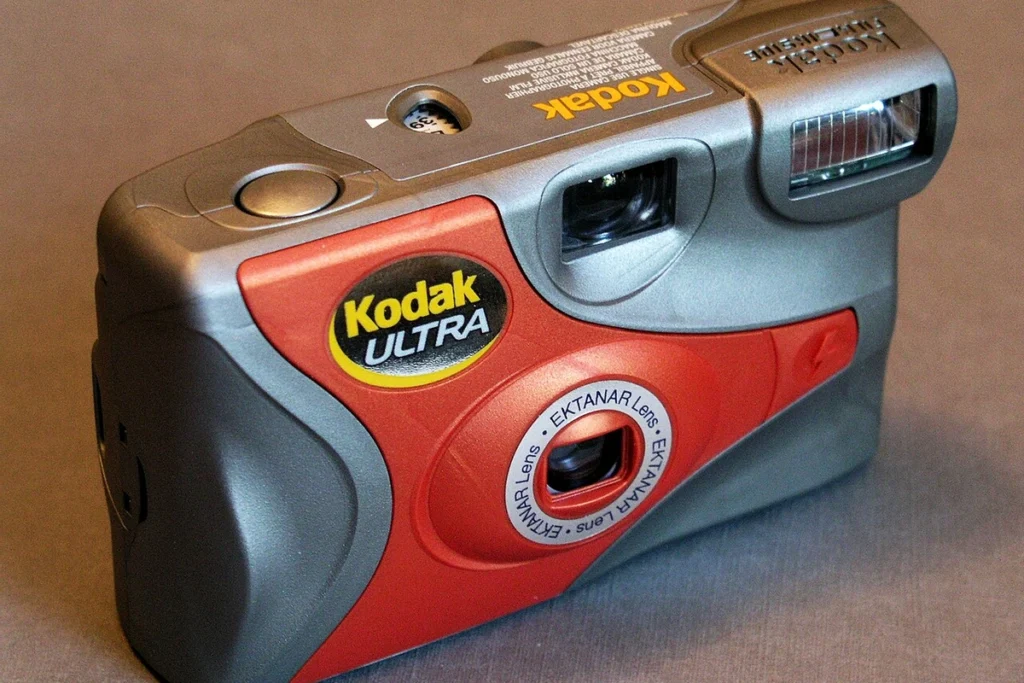
Disposable Cameras Are Replacing Perfect Photos
Modern smartphone cameras are kinda technical marvels. They brighten skin, sharpen details, smooth out imperfections a bit too much, and they instantly prep images for social sharing, right?
But being “perfect” can start to feel exhausting.
More and more young users are getting into disposable cameras and compact digital cameras because they offer things that smartphones often can’t: unpredictability.
The photos are not perfect. Sometimes they end up blurry, sometimes the lighting is weirdly bad, and the framing feels awkward, too.
And honestly, that’s the point: they feel real.
Instead of taking moments just for approval, people are taking them for memory. That swap matters.
Social media turned photography into performance. Disposable cameras kind of pull away that whole part.
A photo is no longer about editing for twenty minutes, only to post. It becomes: a simple click, a wait, and then later a surprise.
That slower, back-and-forth process has emotional value; it actually does.
Wired Earphones Are Quietly Becoming Cool Again
Not long ago, wireless earbuds represented modern convenience. No cables. No tangles. No hassle.
Now, wired earphones are showing up everywhere again.
Part of the comeback is practical. They’re cheaper than wireless ones, harder to lose, and, especially, they do not need charging.
But the bigger reason is cultural.
Wired earphones create a visible boundary.
Wireless earbuds can easily mix into everyday routines. But the wired earphones feel more intentional. For younger users, that intentional vibe has become pretty attractive.
And honestly, it doesn’t hurt that retro aesthetics are thriving lately, showing up in fashion, music, and design too.
Sometimes something that used to look old and outdated turns into style exactly because it feels off from the usual tech culture.
Also Check | What Prehistoric Humans Really Ate
Vinyl Records Are Winning Over Streaming Generations
Streaming gives instant access to almost every song ever recorded.
That convenience should have killed physical music completely.
Instead, vinyl keeps growing.
As per RIAA (Recording Industry Association of America) reports, the recorded music industry continued its strength in vinyl sales, showing that listeners still want physical ownership in an age dominated by subscriptions.
For Gen Z, vinyl is not just about music.
It is about ritual.
Choosing an album. Holding the artwork. Dropping the needle. Listening from beginning to end.
Streaming encourages skipping. Vinyl encourages commitment.
That creates a very different emotional experience.
Artists have also helped fuel this revival. Special edition records, collectable artwork, exclusive tracks, and limited releases have turned albums into objects fans want to own.
Music becomes tangible again.
For a generation raised on digital files, that physical connection feels unique.
Fountain Pens
Typing is fast. Efficient. Practical.
But handwriting offers something screens do not.
It slows thought.
This is one reason fountain pens are getting fresh attention from the young people. Especially from students, writers, and people in journaling sector.
Writing by hand feels more personal.
There is no delete key. No auto-correct. No instant rewriting.
Each sentence carries weight.
In a world built around speed, fountain pens introduce friction which feels so satisfying while writing.
The process of opening the pen, filling ink, and writing carefully on paper creates a small ritual that digital communication cannot replicate.
For many younger users, that experience feels grounding.
Nostalgia Is More Than Aesthetic
This shift is not simply about retro fashion.
It is emotional.
Nostalgia became one of social media’s strongest emotional currencies. The same digital media platforms that are driving overload are also feeding this fascination for slower, simpler generations.
Young users are attracted to old film clips, retro music edits, and vintage fashion, plus those moments from decades they never even lived through.
But that longing isn’t about the past; it’s more about what that past represents.
Less noise.
Less urgency.
Less performance.
More presence.
That explains why Gen Z is not abandoning technology entirely. They still live online, work online, and socialise digitally.
But they are becoming more selective about how much access technology gets to their attention.
Also Check | This Ethiopian Boy Goes Viral For turning Trash into Treasure
The Real Meaning Behind the Analog Comeback
The analog revival tells us something bigger about cultural change.
When a generation raised in maximum connectivity begins choosing limitations, it sends a message.
Convenience alone is no longer enough.
People want experiences that feel intentional.
They want ownership instead of subscriptions.
They want memories instead of curated content.
They want communication without constant interruption.
The analog comeback is not a rejection of innovation.
It is a correction.
Technology promised connection, but too often delivered distraction.
Now Gen Z appears to be redesigning that relationship on its own terms.
And perhaps that is the most modern move of all.

A passionate blogger, content writer, and digital explorer, specialize in writing engaging, and value-driven articles across diverse niches.