
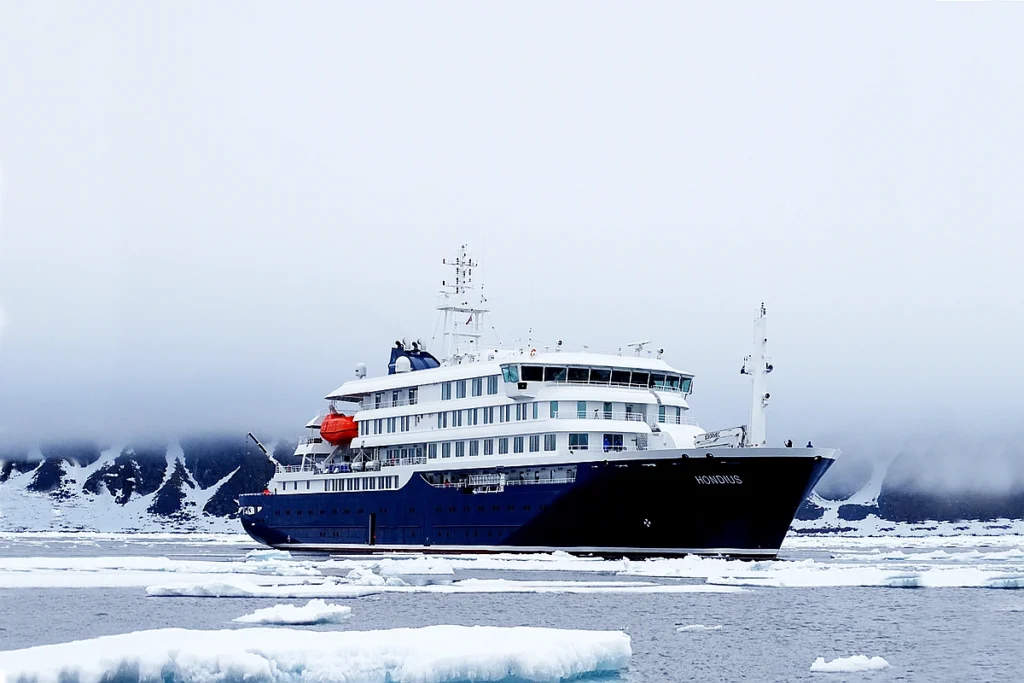
Hantavirus outbreak fears have gripped passengers and health officials at the same time after a deadly infection was reported aboard the MV Hondius, a Dutch cruise liner crossing the Atlantic. What used to look like routine ship work has quickly turned into a serious public health headache, mainly because medical teams have confirmed two patient cases and one death while they were doing urgent health checks.
This incident has got the attention of leading global health authorities, like the World Health Organisation, as experts are trying to figure out how the virus was able to spread on a contained cruise ship.
A Journey That Took a Dangerous Turn
The earliest signs of sickness showed up on board the MV Hondius, while the passengers were making their way from Argentina toward Cape Verde. One 70-year-old passenger, as it was later reported, started feeling unwell pretty early, and in the beginning the symptoms didn’t really look all that alarming to onlookers.
Then, his health shifted fast. He died on board the ship, and that death is described as the first documented fatality linked to the event. Not long after, his wife also became sick and medical staff brought her to Johannesburg for treatment. Unfortunately, the disease took her too, and that only deepened the concern about how critical this outbreak could get.
Once the news spread through the passenger group, the whole atmosphere on the ship shifted right away. People paused their usual plans, dropped their normal routines, and started focusing on their own safety. Many people think of cruise ships as secure spaces that operate under total protection, but this episode made it clear how quickly things can turn.
Also Check | Why America Dumped Thousands of Train Cars Into the Ocean
What Is Happening on the Ship Right Now
The vessel running with 170 passengers is now just hanging at anchor near Praia. Health officials have stepped in, and several passengers who seem unwell are being kept under close watch.
At least one person has been taken to intensive care in South Africa, which basically tells everyone that the illness can turn severe in particular scenarios. In the meantime, other people who might have been exposed are getting assessed, and they may be separated as a precaution, just in case.
Officials are also mulling whether to transfer the affected patients to land-based medical facilities, partly so the spread doesn’t gain more momentum and to make treatment smoother. The ship has been turned into a restricted zone, where authorities apply strict controls, basically to stop passengers from mixing or even making contact.
Understanding the Disease
This hantavirus outbreak on a cruise ship sounds scary, especially if you don’t understand how the disease works in the first place. Hantavirus infections are very normal, but they can still cause serious issues, and that is what people often underestimate. The virus usually spreads when someone has contact with infected rodents, and people most often end up exposed after touching places that got contaminated with rodents’ urine and droppings, or when those tiny particles get into the air around them.
Specialists say the virus may trigger a sudden respiratory illness, and if timely medical attention is delayed, it can turn into something life threatening. At the start, symptoms often resemble flu like illness, with fever, tiredness, plus that general soreness in the body. Then the condition can progress to breathing difficulty, and it can worsen within a short period of time.
Person-to-person spread is rare, although some strains have shown the ability to pass between people. Health authorities are treating the MV Hondius situation as a high priority because that possibility is real.
Also Check | Why Young People Are Bringing Analog Tech Back
How Did the Infection Reach the Ship
The main question about this incident is, how the virus actually ended up on the cruise ship. With hantavirus transmission, it usually goes via environmental contact, so investigators are checking whether contaminated areas or even specific materials could have helped it spread around. It sounds simple, but it can get tricky to figure out, especially if the exposure happened off ship.
Passengers who board cruise ships at different ports typically go on excursions, so it’s possible that they were infected by the virus before they boarded or maybe during one of the intermediate stops. At the moment, the precise origin of the disease has not been identified until the laboratory testing finishes and the final results are reviewed.
The World Health Organisation has confirmed that at least one case has been verified by laboratory testing. More samples are now being collected and examined to figure out the outbreak’s overall reach and how wide it might be.
Medical Response and Safety Measures
Health teams are working around the clock to get a control on this current emergency situation, even if it feels like it never quite stops. Passengers who show signs of illness are being separated from everyone else, while passengers who were in direct contact with infected people are being closely watched or monitored. The whole idea is to slow down any further spread.
On the ships and also at shore facilities, medical personnel are following established procedures that call for protective gear and working inside secure medical treatment zones. The goal is basically to prevent transmission of the virus, but at the same time still deliver the right kind of medical support to each patient who needs it.
Cape Verdean and South African authorities are coordinating to handle the ongoing situation together. Local hospitals are standing by to take in more patients, if the situation shifts, and their emergency response systems have already been ready to operate more patients.
Global Attention and Growing Concern
The hantavirus outbreak on a cruise ship has grabbed global attention very quickly. Cruise travel, which just recently started to regain trust after older health scares, is now feeling like it is getting even more critical again.
Travellers are starting to question what the safety measures actually look like in real life, while health experts say that even if these outbreaks are rare, they still prove why a fast response really matters.
International health agencies are now digging into this case, trying to map how the disease spreads inside enclosed spaces. Cruise ships, with their cramped layouts and shared areas, can sometimes become hotspots for infections if operations aren’t handled carefully.
Also Check | Shocking Reality Behind Doraemon Underwater Statue
What Happens Next
The investigations that are ongoing are meant to study how transmission happens, while also protecting everyone connected to this situation. Laboratory tests will generate results that should help authorities decide what comes next and how to adjust their plans.
Health officials will keep monitoring passengers on MV Hondius until they’re sure the situation has been successfully brought under control. The whole ship scenario ends up being a reminder that health emergencies can pop up unexpectedly, even in places you wouldn’t really expect, like deep ocean waters.
Story is Still Unfolding
The hantavirus outbreak on a cruise ship is still under observation, but it shows how a regular trip can shift into a real emergency. What started as something routine is now turning into a major international public health crisis, mainly because there are confirmed fatal cases and the investigations are still ongoing. This is affecting travellers and health officials across the globe.
The situation keeps developing, so new details will keep coming in, yet one part seems steady. Dealing with an outbreak needs three essential elements: careful surveillance, fast response actions, and clear information sharing that actually reaches people.

A passionate blogger, content writer, and digital explorer, specialize in writing engaging, and value-driven articles across diverse niches.