
On December 22, 2001, an ordinary flight across the Atlantic became an ordeal for the passengers. American Airlines Flight 63 was about to take off from Paris and head to Miami when one of the passengers attempted to light an explosive device hidden in his shoes. However, the passenger, Richard Reid, was not successful in blowing up the plane due to the brave crew members and an unexpected landing in Boston. The tragic event changed the way people travel by plane forever.
The Suspicious Person Who Nearly Boarded a Day Earlier
What many people overlook is that Reid was a suspect even before he boarded the plane in Paris. Contemporary records state that the airline staff and French authorities suspected him of wanting to sabotage the aircraft. Nevertheless, Reid was allowed to board the plane the next day, although he was under the supervision of the airport staff. Surprisingly enough, the explosive devices hidden in the shoes were not discovered despite the strict security checks at the airport. The tragic incident left people questioning the efficiency of security checks and airline staff behaviour.
In particular, it became obvious that even if someone behaves suspiciously at the airport, it is hard to single them out from the crowd.
The Burning Smell That Exposed the Plot
During the flight from Paris to Miami, one of the flight attendants, Hermis Moutardier, asked her colleague to investigate the source of the burning smell. It turned out that Reid was trying to light a match in his shoe. Initially, the flight attendant thought that the passenger was violating the smoking rules inside the aircraft.
Also Check | The Bomber Who Was Sucked Out of the Plane
However, when she returned to Reid, she noticed that the man was struggling with something in his shoe. Moutardier discovered that Reid was trying to ignite an explosive device hidden in his shoe. She tried to stop him, but Reid resisted. Then, another flight attendant, Cristina Jones, got involved in the fight with Reid, during which she was bitten. Eventually, the passenger was subdued with the help of other passengers and special equipment.
If Moutardier hadn’t decided to investigate a minor smell, the sad story of aviation would have taken a far more tragic turn. One ordinary smell during a routine flight changed the rest of Reid’s life, as well as the lives of hundreds of passengers on Flight 63.
What Investigators Discovered Inside His Shoes
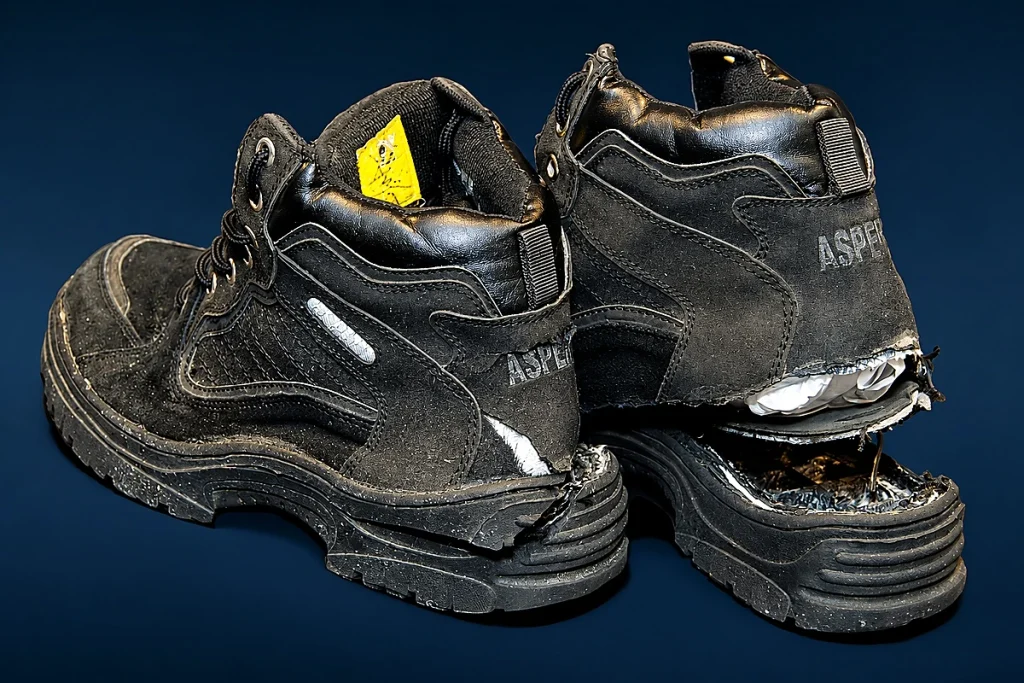
When the cabin crew opened Reid’s shoes, they discovered that the man had prepared an improvised explosive device to blow up the aircraft during the flight. According to the FBI report, ten ounces of explosives were hidden in the shoes. The explosive devices found in Reid’s shoes were so powerful that if they exploded under the plane’s fuselage, they could cause catastrophic damage to the aircraft.
Although the attack was unsuccessful, the danger it posed was enormous, and the outcome could have been devastating.
Later, the FBI classified the shoes as an artefact for preserving the memory of this passenger who travelled from Paris to Miami.
The Emergency Landing That Saved the Passengers
Once the cabin crew recognized the seriousness of the threat from the passenger, Fighter Jets from the US Air Force escorted the aircraft while it landed at Logan International Airport in Boston. Meanwhile, the airport prepared to meet the passenger with explosive devices in his shoes and take him into custody as soon as he arrived on the ground.
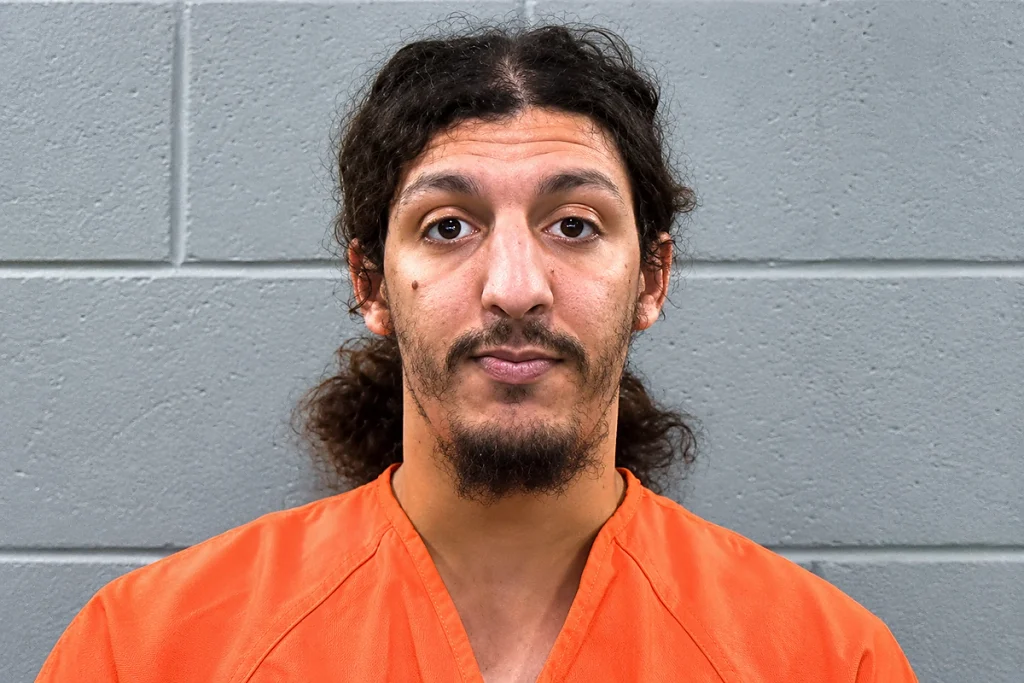
The aircraft carrying Reid landed safely in Boston. The cabin crew and passengers were safe despite the potentially fatal threat. Later, Reid pleaded guilty to eight terrorism-related charges, after which he was sentenced to life imprisonment in January 2003.
Why the World Started Paying Attention to Shoes
Perhaps the most apparent legacy of the failed shoe bombing is that now, before boarding an aircraft in the United States, passengers must take off their shoes at security checkpoints. Before the tragic event, few Americans were aware that they might have been the target of a terrorist attack in their own country. The fact that the terrorist attack on the plane almost happened in the United States has forced airport security to take measures to prevent future attacks.
Also Check | The Incredible Man Who Cheated Death Seven Times
In particular, in 2006, shoes began to be subjected to special inspection at US airports to ensure that they do not contain potentially dangerous objects. The story of the failed terrorist attack shaped the US national security policy and changed the way travellers interact with security checkpoints at airports.
Conclusion
Richard Reid will be better remembered for the failed terrorist attack that he attempted to carry out back in 2001. The tragic event demonstrated that even regular passengers can pose a serious threat to commercial aircraft. Moreover, this incident indicated that the presence of special equipment and airport security checks are not sufficient to ensure safety if people are not properly trained to identify threats.
The next time someone asks you to take off your shoes at an airport security checkpoint, they will most likely be referring to the events that happened to Richard Reid in 2001.

A passionate blogger, content writer, and digital explorer, specialize in writing engaging, and value-driven articles across diverse niches.