
Throughout history, DNA has played an integral role in positively identifying criminal suspects. However, if a suspect knows how DNA tests work, they can still trick the system. This is because tests on John Schneeberger, a doctor in Canada during the 1990s, demonstrated that even scientific evidence can be misleading.
A Crime That Refused to Disappear
On the 31st of October 1992, Candice Fonagy (23 years old) was treated at a hospital in Kipling, Saskatchewan, where Schneeberger was a doctor. She later stated she had been drugged and sexually assaulted by Schneeberger. Biological evidence was collected and was to be compared to Schneeberger’s DNA.
However, the DNA didn’t match, and a second test was carried out; this didn’t match either. Whilst the investigation was ongoing, Candice still claimed her allegation was true. This shows how the criminal justice system can cause problems, as when scientific evidence doesn’t match up with what an individual is saying, it can be difficult to believe them.
The Secret Hidden Beneath His Skin
Schneeberger could not avoid the DNA tests for scientific reasons; however, he intentionally misled the investigation.
During the trial, it was revealed that Schneeberger had a 15 cm-long Penrose drain (a flexible medical tube) implanted under his skin through surgery.
Also Check | The Goalkeeper Who Faked a Firework Injury
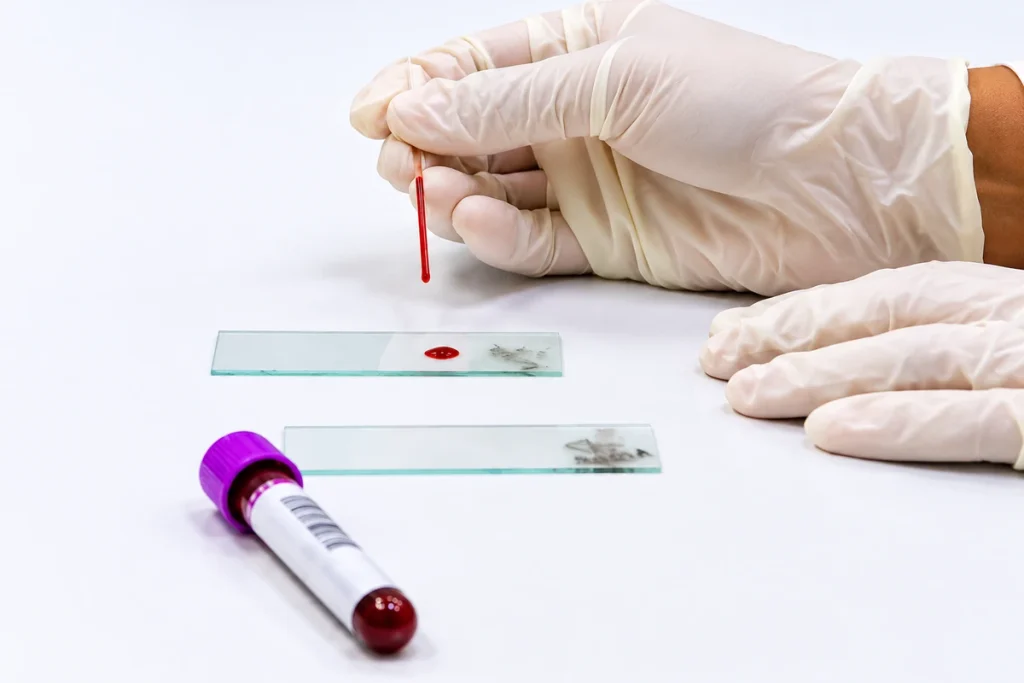
When blood was taken from Schneeberger body, he directed them to the tube so they wouldn’t get an accurate blood sample from him. This therefore meant the DNA they got would belong to someone else.
The disturbing part was not simply that a doctor knew how to draw blood. It was that he used his medical knowledge to manipulate the system.
The Clue That Changed Everything
A private detective helped her obtain a sample from Schneeberger’s lip balm. Using that DNA sample and combining it with forensic samples collected in connection with her allegation, the DNA matched.
This raised the question of why there was no match with his blood; however, there was a match with another sample.
In 1996, another attempt was made to get blood; however, the blood was very dark and poor quality. This meant no useful DNA could be extracted. This caused more suspicion.
This case shows how the lab can analyse the evidence with accuracy; however, this doesn’t mean it was from the correct person.
Why One Sample Was Not Enough
Eventually, the investigation progressed from the inaccurate blood samples. In 1997, Schneeberger’s 15-year-old stepdaughter came forward with allegations of being drugged and sexually assaulted. More biological evidence was collected, including blood from his finger, a swab from his mouth and hair samples.
This provided a match between the DNA evidence and the previous findings, and it meant that the pieces of evidence could be linked together.
This part of the case offers a valuable lesson for modern investigations. If multiple independent samples can be obtained, documented properly, and the circumstances are unusual, then this can help find inconsistencies.
Justice, Trust and the Cost of Delay
In 1999, Schneeberger was sentenced to 6 years of imprisonment for conviction of administering drugs, sexual assault, and obstructing the judicial process. He subsequently lost his license to practice medicine and was deported from Canada in 2004.
This case is shocking because it illustrates the lengths to which Candice went in her efforts to find answers. Even though the initial tests didn’t match and caused her to lose trust, the allegations from his step-daughter brought more attention to the case. It showed how, if a case isn’t resolved, it can have consequences.
Also Check | The Tiny Cup That Became a Family’s Biggest Fear
This raises the question of how many people will lose trust in the justice system if a poor sample is believed to be conclusive evidence.
The Lesson Behind the Unusual Case
The most interesting thing about this case is how the sample wasn’t authentic. Whilst the DNA technology didn’t let the investigation down, the initial tests were looking at the wrong sample. Once accurate samples were obtained, they helped link everything together.
Overall, this case shows how evidence should be collected with care and the source confirmed. If an unexpected result is obtained, questions should be asked. Sometimes the biggest issue when trying to find the truth is assuming the evidence given must be authentic.

A passionate blogger, content writer, and digital explorer, specialize in writing engaging, and value-driven articles across diverse niches.