
Japanese habits can look unusual to outsiders at first, but many of them come from a simple idea. A good life is not built only by big success. It is also built by small routine habits that teach respect, discipline, cleanliness and gratitude.
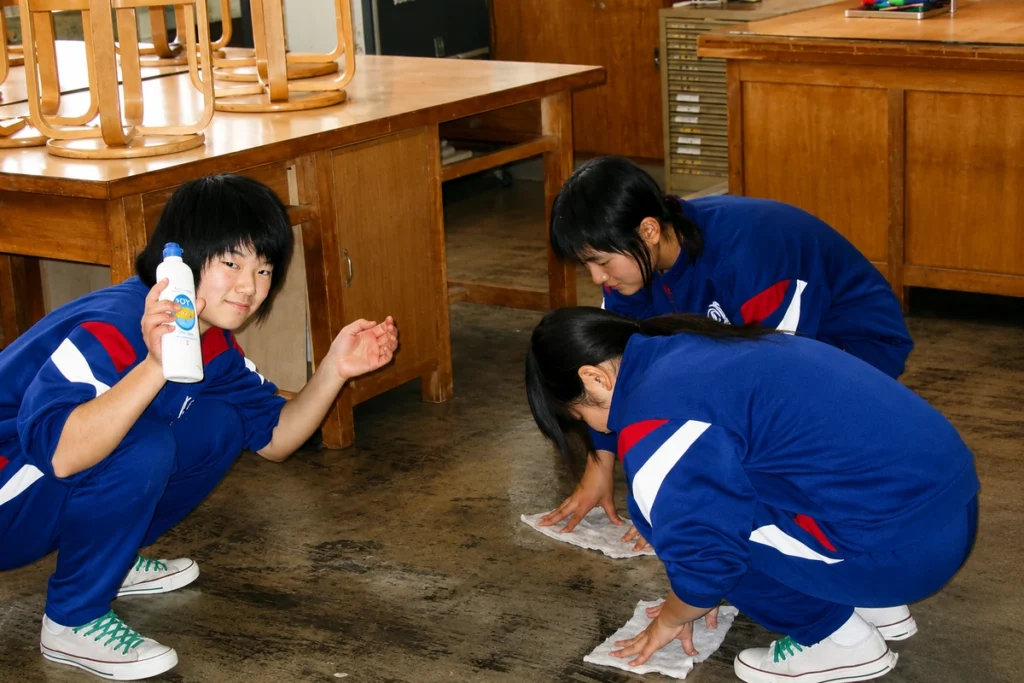
One famous habit is Osoji, the Japanese practice of cleaning shared spaces. In many Japanese schools, children do cleaning of their classrooms, corridors and sometimes bathrooms. This is not treated like punishment in Japan. It is actually a part of learning to teach children that a clean place does not appear by magic, someone has to take responsibility for it.
This habit teaches something deeper than hygiene. When children clean the place they use, they become more careful, humble and cooperative. They also learn that no any work is too small. A clean toilet, a classroom and a street all begin with the same thought: this place belongs to everyone.
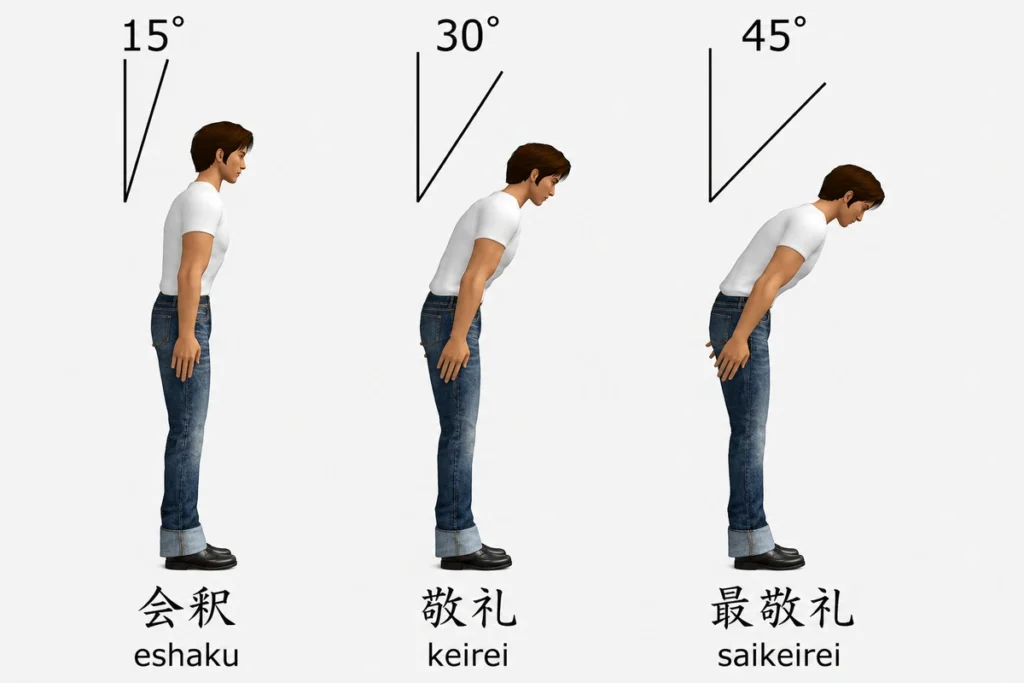
Another beautiful habit is Ojigi, the Japanese bow. In Japan, bowing is used while greeting, thanking, apologizing or showing respect. A small bow can say what many words cannot. It tells the other person, “I see you, and I respect you.”
Also Check | Things That Only Found in Japan
This feels familiar to Indians too. Because in Indian culture also has namaste, pranam and touching the feet of elders. The form may be different, but the feeling is the same. Respect should not become old-fashioned just because life has become modern.
Then comes Inemuri, means sleeping while being present. Foreigners often find it strange when they see people dozing in trains, offices, or at public places. In Japan, it can sometimes be seen as a sign that a person has worked too hard and is trying to recover energy.
This does not mean that sleeping anywhere is always acceptable. It depends on the place, situation, and manners. Still, the idea behind it is useful for everyone. Rest is not laziness. It is like a small pause that can help the body as well as the mind to work better.
Another habit many visitors notice is removing shoes before entering homes and traditional spaces. In Japan, people usually keep outdoor shoes separate from clean indoor areas, especially in houses with tatami mats. Shoes bring in dust from outside, so taking them off shows respect for the home.
Also Check | How A Bird Saved Japanese Bullet Train
Other countries also seem to follow this kind of thing, like in Indian families they still remove footwear before coming into the house, or into a prayer room. It’s a small action, but it somehow keeps the home cleaner and it quietly signals that we actually care about other people’s space.
Before eating, many Japanese people say Itadakimasu. It’s a simple expression, or sort of gratitude, before food time. It doesn’t only thank the cook, but also the farmers, the ingredients themselves, the nature and every person connected to the meal.
This habit feels worth taking back into daily life. It reminds us that a meal arrives on our plate because a lot of people worked hard for it, not just one person.
Japanese culture also gives importance to apology. Words like Sumimasen and Gomennasai get used for “sorry”, “excuse me” or “please forgive me”, depending on how the situation goes. The message is pretty clear. When something goes wrong, accept it clearly.
Apology is powerful because it protects relationships. It tells people that their feelings matter. In public life too, Japan is known for formal apologies when services fail or people are inconvenienced. That sense of responsibility is something every society can learn from.
Also Check | How A Loyal Street Dog in Thailand Become A Royal Dog
Food habits also carry this wisdom. Hara hachi bu is an idea that comes from Okinawa and it means eating until you are about eighty percent full. It supports mindful eating, not the overeating thing. The point is not that you need to starve yourself, it’s more like, stop before the body starts to feel heavy.
There are also some stories from Japan that show respect for public time. One well known example that people talk about a lot online is the rural train station story that involves a schoolgirl in Hokkaido. Some pieces of that story have been argued over, but what people remember it for is still pretty clear. It’s about respect for ordinary people.
Even protests can show discipline. During the protest, public transport bus drivers continuing service while refusing fares show a powerful idea. You can raise your voice without hurting the public.
These habits may feel strange from outside, but they are not strange when you understand the meaning behind them. They teach us to stay clean, respect others, say sorry, eat mindfully and value everyone’s time. In the end, good habits do not just change your day. They change your life.