
A Strange Decision That Changed Marine Life
Dumping thousands of subway cars straight into the ocean might sounds like pure pollution. Just picture it, thousands of old subway coaches being dumped into the sea. The situation creates a feeling of wrongful activity, because it resembles some kind of pollution disaster that is waiting for its moment to appear. But, the events that happened on the eastern coastline of the United States during the 2000s show a different reality which still surprises people today.
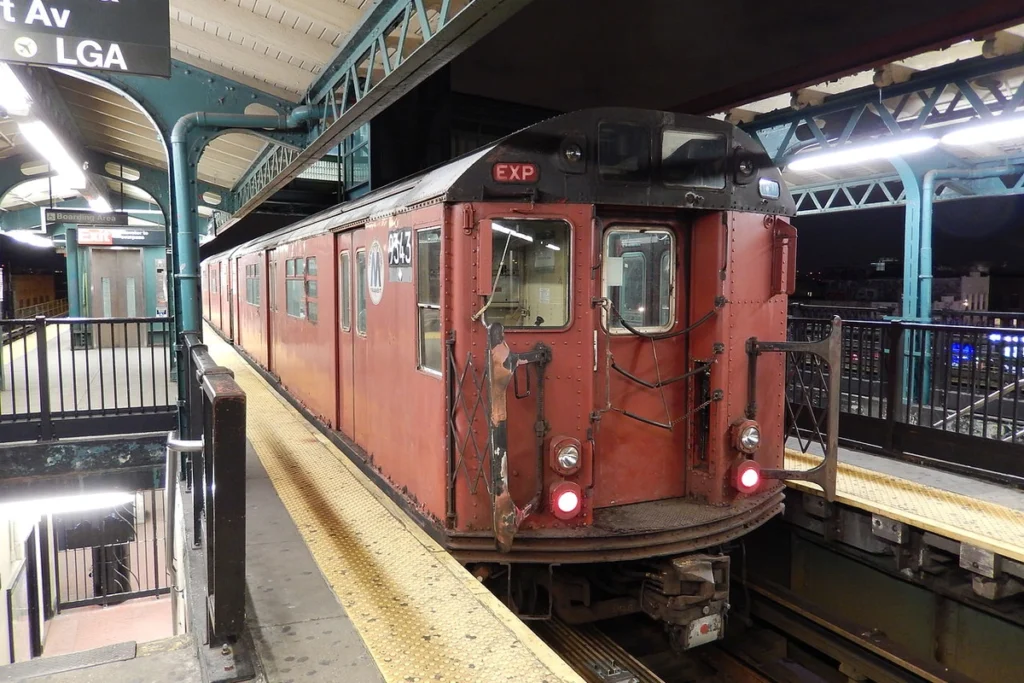
The Redbird subway coaches, which served New York City transit for 50 years, had reached their final operational period. The red trains which operated in New York City for public transportation had become a known element of daily city life, because they had transported millions of passengers. But like all machines, they had grown old, worn out, and outdated.
Replacing them was easy. But figuring out what to do with them afterward was not.
The Hidden Danger Inside the Old Coaches
The biggest issue wasn’t only their age. These train cars had asbestos in them, a material that used to be broadly for insulation. Over time it became clear, exposure to asbestos could cause serious illnesses, like cancer. So Disassembling those trains for scrap was not only costly, it was very risky too.
The Metropolitan Transportation Authority was stuck in a bit of a dilemma. If they scrapped the trains safely, it would cost hundreds of crores in today’s currency. But letting them just sit there was not an option either. They weren’t just piles of metal, they were hazardous in a very direct way.
The Plan That Shocked Everyone
Instead of dismantling the trains, officials proposed something unexpected. Clean up the coaches, remove harmful and loose materials like grease, plastic, and glass, then sink them deep into the ocean.
At first, people opposed it very strongly. Critics said that if asbestos was dangerous for humans, it could hurt marine life too. Environmental groups were sceptical. To them, it sounded like dumping waste into the sea under a different label.
But the plan wasn’t random. Experts had studied artificial reefs for years. In a lot of places, especially over sandy seabeds, sea life struggles to find shelter. Without any structure, fish have nowhere to hide, feed, and reproduction becomes harder.
The idea was simple. Turn these old trains into underwater homes.
Also Check | Shocking Reality Behind Doraemon Underwater Statue
From Scrap to Sea Floor
Between 2001 up to 2010, over about 2,500 retired subway cars were dumped into the Atlantic Ocean, along the coasts of New Jersey, Delaware, and a few other spots around eastern states. They end up at depths of something like 80 to 130 feet down, where sunlight still reaches out, but disruption from people is very minimal.
When the first loads went down, divers said the whole view was eerie. The train cars scattered across the seabed looked like they belonged to a forgotten world. Empty, quiet, and strange.
But the ocean doesn’t stay empty for very long.
Nature Begins Its Quiet Work
Within months, something incredible started happening. The metal surfaces of the train cars began attracting marine organisms. Tiny plants, algae, and corals started to grow over them. These attracted small fish looking for food and shelter.
The structure of the trains played a huge role. Windows, doors, and compartments created perfect hiding spots. Small fish could swim inside and stay safe from predators.
Soon, larger species started to settle in that area, and the food chain quickly established itself. With increasing numbers of prey around, the big predators, like dolphins, were also attracted towards that region.
And just after one year, what once looked like a dumping ground transformed into a thriving marine ecosystem.
A Surprising Boost to Marine Life
Researchers discovered an interesting phenomenon. The marine life population showed a significant increase in these particular regions. Multiple reports indicated that the sea food supply experienced higher increase than before. Fishermen began experiencing improved fishing results when they operated close to these artificial reefs.
The sites attracted many divers from all over the US and the underwater train graveyards transformed into popular diving destinations throughout the years. The ocean floor now concealed the bright red trains, which had been covered by marine growth.
The ocean appeared to have adopted them.
The Vision Behind the Idea
People like Michael Zacchary and others involved in the project had anticipated this outcome. They understood that oceans are losing natural reef structures due to pollution, climate change, and human activity.
By placing these cleaned train cars strategically, they weren’t just getting rid of waste. They were building habitats.
It was a rare example of solving two problems at once.
When the Experiment Didn’t Work
Interestingly, not every attempt was successful. Later, different types of train cars made from stainless steel were also sunk as part of similar efforts. These were expected to last longer underwater.
But things didn’t go as planned.
The thinner metal sheets of these newer trains couldn’t withstand the force of ocean currents and waves. Within months, they began to break apart and deteriorate much faster than expected.
In contrast, the older Redbird trains proved far more durable. Their heavier construction helped them stay intact, making them ideal for long-term reef structures.
Also Check | Why You Can’t Remember Your Baby Memories
A Lesson Hidden Beneath the Waves
Today, if you dive into those locations, you won’t find any bright red subway cars. Because, they are now covered in layers of marine life. Fish swim through what used to be passenger compartments. Coral grows where commuters once stood.
It’s hard to imagine that these were once part of a bustling city transport system.
What started as a controversial decision has slowly turned into a real case study for environmental innovation. It shows how human waste can be thoughtfully changed into something useful.
Of course, that does not mean dumping random things into the ocean is acceptable, not at all. The whole success of the project relies on careful cleaning, smart planning, and a strong scientific understanding.
Why This Story Still Matters Today
The world faces problems with waste disposal and environmental degradation, which makes stories like this stand out. The solutions don’t always come from doing less. Sometimes, they come from creative thinking which requires novel methods of understanding problems.
The concept of train cars being disposed into the ocean may still sounds strange. But this concept shows how people adapt to environmental challenges, while keeping their engineering works together with natural systems.
The system provides a potential solution which could guide our efforts to solve future environmental problems.

A passionate blogger, content writer, and digital explorer, specialize in writing engaging, and value-driven articles across diverse niches.