
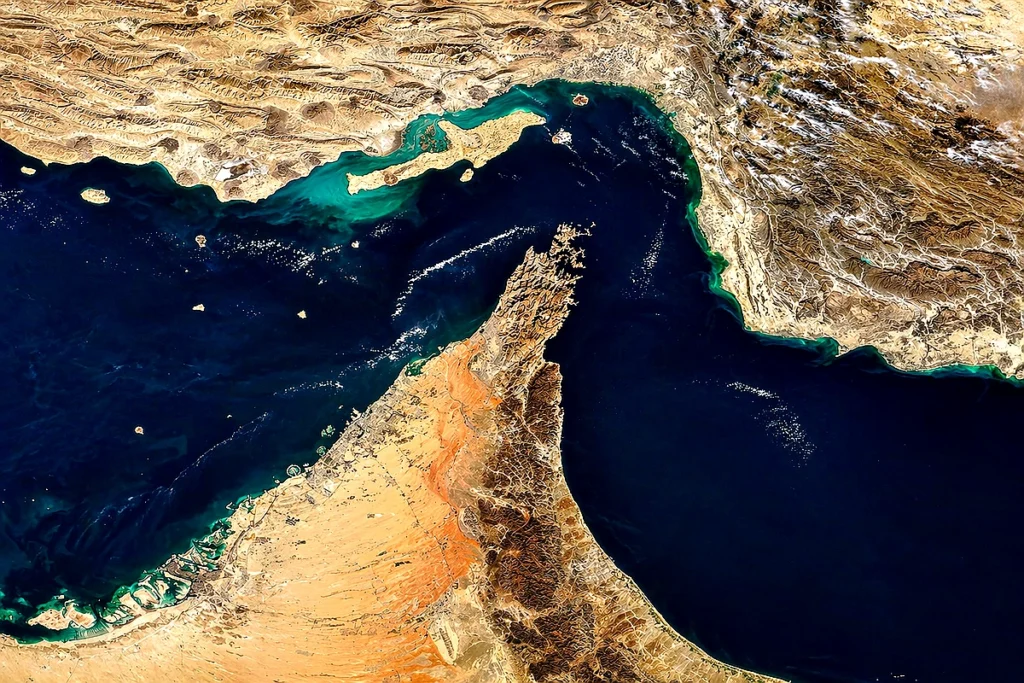
Why the world is suddenly watching this narrow waterway again
The Strait of Hormuz crisis is back in the spotlight again, and this time it feels more serious than before. On the surface, the waters between Iran and Oman look calm, almost normal. Massive oil tankers glide through like they always do. But behind that quiet movement, something far more tense is building.
In recent days, Iran seizes ships in Strait of Hormuz, sending a clear signal to other countries that this region is once again on edge. And when something shifts here, the ripple doesn’t stay local. It spreads fast, hitting oil prices, trade routes, and even everyday fuel costs across the world.
Strait of Hormuz crisis and the thin line holding global oil together
It’s hard to imagine that how much depends on this single stretch of water. Nearly 20 percent of the world’s oil passes through this point. That’s not just a statistic. That’s the fuel powering cities, industries, flights, and daily life.
When ships are delayed or seized, even briefly, global markets react instantly. Traders don’t wait for confirmation. They respond to risk. And right now, the risk feels real.
The Strait of Hormuz becomes so dangerous because of its narrow width. Ships operate through restricted channels which resemble the way drivers use a highway when there is no space for errors. The combination of military forces and surveillance efforts together with increasing tensions creates an environment where a single error can lead to major consequences.
A fragile world beneath the surface
While headlines focus on conflict, there’s another story that rarely gets attention. Beneath these waters lies a surprisingly resilient ecosystem.
Coral reefs here survive in extreme heat, something that would destroy most reefs elsewhere. Fish move in dense creating a constant rhythm of life below the surface. For local communities, this isn’t just nature. It’s survival.
Fishing, coastal livelihoods, and food systems all depend on this ecosystem. But increased shipping, pollution, and the risk of oil spills are putting pressure on a system that’s already stretched to its limits.
Islands that quietly control the game
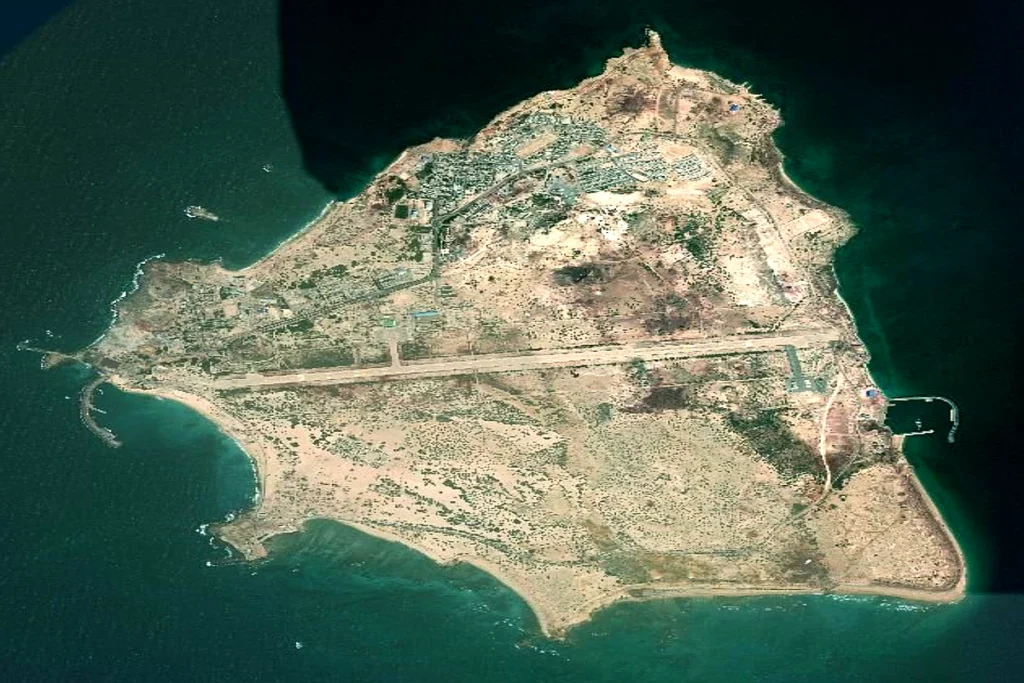
If you zoom out on a map, small islands scattered across the Strait might not look so important. In reality, they’re everything.
Take Abu Musa, for example. It sits right near the most critical shipping lanes and is controlled by Iran, though it is also claimed by the United Arab Emirates. That alone makes it one of the most sensitive part in the region.
Military infrastructure, radar systems, and defense setups have turned such islands into watchpoints. But at the same time, life goes on. Peoples live there. Kids go to school. Fishing boats still head out at dawn.
That contrast is what makes the situation feel so uneasy. Normal life exists side by side with high-stakes strategy.
A place where geography shapes power
On the southern side, Oman’s Musandam Peninsula stands like a silent observer. Its steep cliffs overlook the shipping lanes, offering one of the most strategic vantage points in the area.
Unlike louder players, Oman tends to operate quietly. It doesn’t dominate headlines, but its position gives it influence. In a place where tensions can rise quickly, that quiet presence matters more than it seems.
A history that still echoes today
Ports like Bandar Abbas tell a deeper story of the region. Long before oil became the center of attention, this region was already a global crossroads.
Traders from India, Africa, and across the Middle East passed through these waters, leaving behind a mix of cultures that still shaping the region today. You can see it in the music, traditions, and even the architecture.
This isn’t just a strategic zone. It’s a place with layers of history, shaped by centuries of movement and trade.
Why this moment feels different
The Strait of Hormuz has experienced rising tensions since ancient times. The current situation represents a time when new conflicts have emerged.
The global energy markets face their current challenges because of existing supply chain problems which create delicate operational conditions. The system will experience permanent instability when any part of it faces interruption, even when the interruption lasts only a short time.
Iranian forces have captured vessels in the Strait of Hormuz because this act serves as an international warning which demonstrates how quickly circumstances can transform.
The uncomfortable truth
The Strait of Hormuz crisis reveals a truth which most people choose to ignore. The modern world operates through systems which appear stable from external viewpoints yet maintain extreme vulnerability.
The situation appears normal as long as oil transportation operates without any disruptions. The system begins to show weaknesses when any part of the oil supply chain faces danger.
The existing damage to the system has reached a point where it now becomes impossible to overlook.