
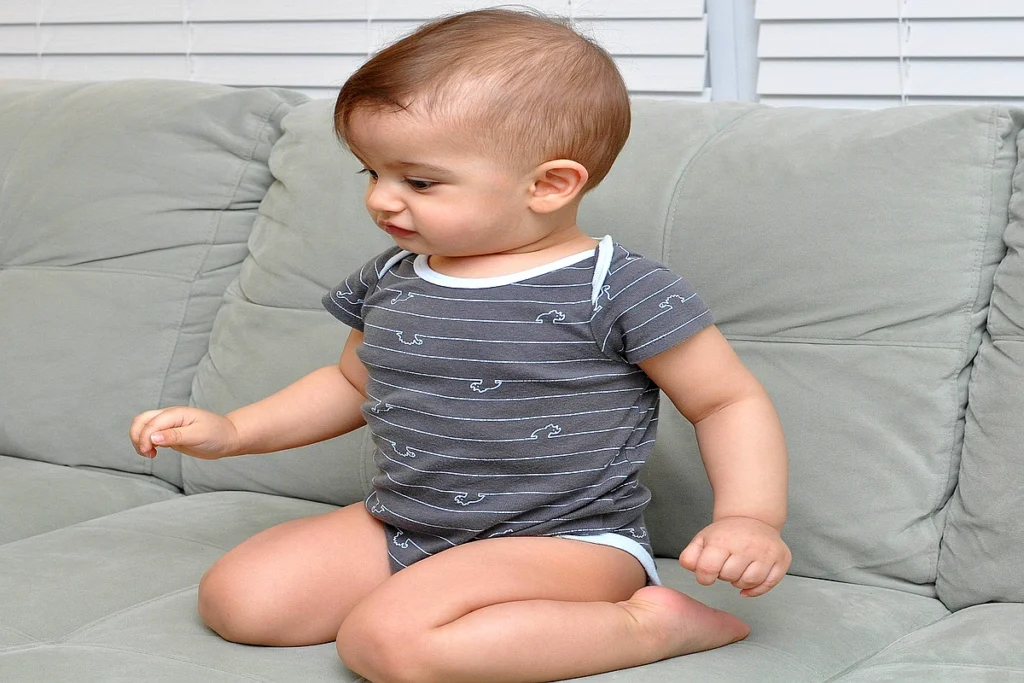
Baby memories are very strange, because you can see the proof they happened, like in photos, but you can’t step back into those memories. You might have pictures from your first birthday, your first steps, or that first family trip. But can you remember actually being there?
Most adults can’t. Babies can learn, recognise, and react, but those early childhood years feel like they’re not there. Scientists call it childhood amnesia, and newer research suggests the reason is more interesting than just simple forgetting.
Why Your First Years Feel Like a Blank Space
Your early brain was growing fast. The hippocampus, which helps arrange personal events, was still in developing stage. At the same time, your brain was building fresh connections, and removing other ones.
So those early moments might not get saved with clear time, location and meaning. Later, your older mind tries to find a smooth route to the memory, but the route may no longer fit.
Also Check | Accidental Inventions That Changed the World
Babies Remember More Than Scientists Once Thought
For years, many people believed that infants couldn’t make real memories. Yet now that thought is changing. Babies can recognise voices, faces, familiar routines. Newer brain imaging work also points to the idea that infants can capture particular experiences when brain memory areas become active.
Meaning? Babies are not stuck in a total blur. They’re learning constantly. The issue is that their memories may not become the kind adults can easily explain.
Maybe Baby Memories Are Not Gone. Maybe We Lost the Key
One fresh idea is that early memories may not be fully erased. They may become hard to access. Think of an old file saved in a format your current device cannot open.
As you grow, your brain, language and sense of self change. The baby who made the memory and the adult trying to find it are using very different mental tools.
The World Looked Different When You Were Two Feet Tall
A toddler sees the world from low down. Rooms feel huge. Adults are tall faces above them. A table can feel like a ceiling. A family trip may be stored as heat, sound, touch or movement, not as a neat scene.
When your grown-up mind tries to recall that world, the viewpoint no longer matches. That mismatch may make old moments harder to reach.
Also Check | This Strange Frog Gives Birth Through The Skin
Before Words, Memories May Not Have a Story Shape
Adult memories usually surface in words. Like, we remember what happened, who was there and why it felt so important. But for babies, it’s not like they have enough language yet to build memories together in that same manner.
Before language, life is mostly feeling, rhythm, and sensation. A kid might remember comfort, but not the exact time it happened. Without words, those early moments can’t turn into stories.
Why Baby Photos Can Create Fake Familiarity
Photos can make the past feel close. You might think you remember your first birthday, like you’ve been there, because you’ve stared at that picture so many times, over and over.
But, you often remember the picture, family story that comes with it, or even the little emotion attached to it. That doesn’t mean it is useless. It just means pictures and the nearby stories can create this familiar moment around something you can’t remember directly.
How Parents Help Turn Small Moments Into Lasting Memories
Parents help children remember by talking about what happened in warm, simple kind of detail. A parent might say “You were a bit scared of the waves, then you laughed when they touched your feet.”
That gives the child a story shape, It links the place, feeling, and the people around it. Over time these little talks can make memories feel stronger, and easier to keep.
Why Feelings May Survive Even When Events Disappear
You might not recall being rocked to sleep, but that comfort may still matter. You might not remember early stress clearly, but the body can still learn from it.
So early life is important. Even if the scenes are gone, the influence can remain. Care, touch, sound and safety can shape trust, fear, and attachment.
Also Check | Japanese Habits That Feel Strange to Foreigners
Could Forgetting Babyhood Help the Brain Grow?
Forgetting is not always a problem. A young brain needs to stay flexible. It has to update fast as a child learns to walk, talk, and understand other people.
Trying to save every tiny early detail might turn into mental clutter. In a way, forgetting can make room, while the useful lessons stay under the surface.
What This Means for Parents Today
Parents don’t need to worry that love is wasted just because a child might not remember it later. The hugs, songs, routines, and even those safe spaces still count. Love is more than a memory; it’s also the way they feel in the moment.
The science behind early baby memories is comforting. Your first years might feel blank, but they were not empty. Some moments may vanish like pictures, yet still remain as feelings, habits, and those quiet emotional roots.

A passionate blogger, content writer, and digital explorer, specialize in writing engaging, and value-driven articles across diverse niches.