
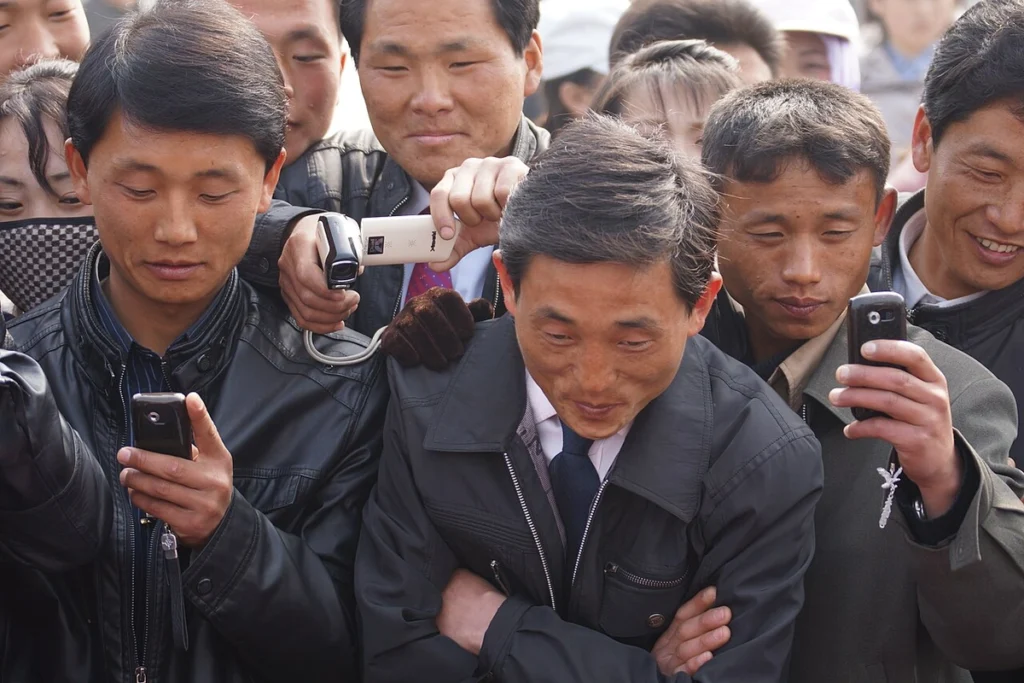
A smartphone usually means freedom. In North Korea, it can mean the opposite. The same device that helps people message, watch videos and take photos elsewhere can also record behaviour, block outside information and remind users that privacy may not exist.
North Korea Smartphone Rules show how a phone can become part of a wider system of control. It is not only about having the device. It is about what the phone can display, what it must hide, and what it may quietly store.
A Phone That Looks Normal From the Outside
From the outside, a North Korean smartphone may look ordinary. It can have a touch screen, camera, keyboard and app icons.
The software is not an open door to the world. It is a fenced space built around approved apps, approved language and approved media. Users can call, text and use local services, but the phone keeps outside information away.
The Screenshot Feature Most People Talk About
The most discussed detail is the hidden screenshot system. Reports about a smuggled phone say the device quietly captured the screen at intervals and saved images where the user could not freely open them.
Older research on North Korean devices also described tools called Trace Viewer and Red Flag. These were linked to tracking files, marking opened media and helping officials check whether someone used banned content.
Also Check | North Korean Family’s 10 Year Escape Plan
Screenshots are not just spying in the moment. Their real power is psychological. They turn a private action into stored evidence.
That uncertainty changes behaviour. It can make someone avoid opening a risky video, typing a forbidden phrase or sharing a file. It only needs to make people feel that proof may exist.
When Autocorrect Becomes Political Control
In most countries, autocorrect fixes spelling mistakes. In North Korea, reports suggest it can also fix political meaning.
A casual term from a drama can be treated as dangerous because language carries identity. If young people start speaking like characters from Seoul, they are borrowing a different social world.
That is why changing words matters. It trains users to speak inside state approved limits, even in personal messages.
Why Foreign Culture Scares the Regime
South Korean dramas, songs, fashion and slang can do something official propaganda fears. They make another life feel real.
A drama may show bright streets, modern homes and people talking freely. A song may carry style and confidence. Even a small slang word can remind someone that people across the border live under different rules.
For a closed state, that is competition. The danger is that people compare it with their own lives.
The Smartphone Without Real Internet Freedom
A person may hold a smartphone and still not have real internet access.
Most citizens are cut off from the global web. Instead, they may use a controlled domestic network with approved pages and services. This creates the look of modern technology without the open flow of information.
Also Check | Googlebook Brings Powerful Gemini AI Laptops Into a New Era
The Cat and Mouse Game Over Outside Information
Outside information still finds ways in. People have used memory cards, USB drives, foreign radio, smuggled videos and modified devices to reach banned content.
The state responds by tightening checks, improving software controls and punishing those caught with banned material. This creates a constant contest. One side tries to open small windows. The other side tries to seal them.
Why the Phone Is Only One Part of the System
The phone is powerful, but it does not work alone. North Korea also relies on neighbourhood watch systems, informants, inspections, youth patrols and fear of collective punishment.
Digital surveillance becomes stronger when human surveillance surrounds it. A device can store evidence, but people still create pressure in homes, schools, workplaces and streets.
What This Reveals About Modern Dictatorship
Modern control does not always mean banning technology. Sometimes it means redesigning technology so people can use it only inside the rules of the state.
That is the deeper lesson of North Korea Smartphone Rules. The phone is allowed to exist, but not as a tool of free discovery. It becomes a controlled object, a pocket screen that offers convenience while quietly defending the wall around the country.

A passionate blogger, content writer, and digital explorer, specialize in writing engaging, and value-driven articles across diverse niches.